
Explore Chania Old Town – Venetian Lighthouse, Districts & Hidden History
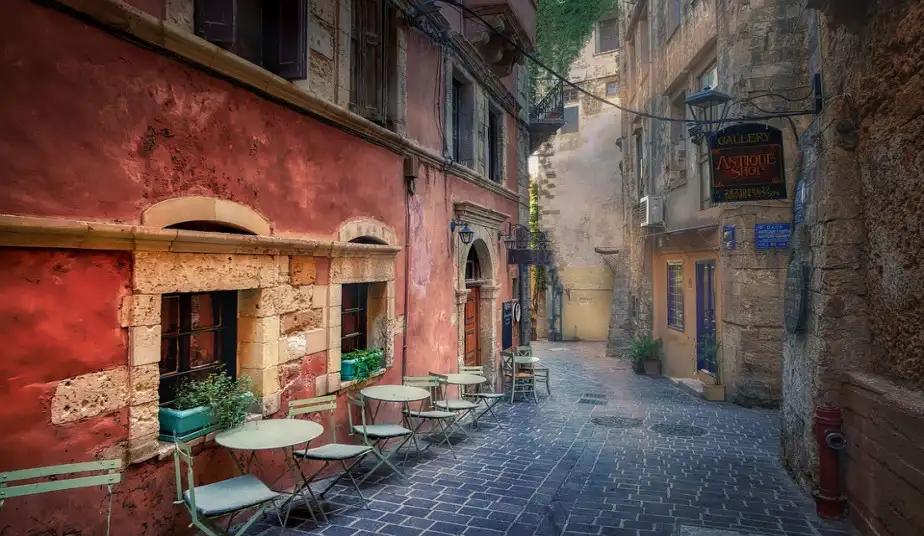
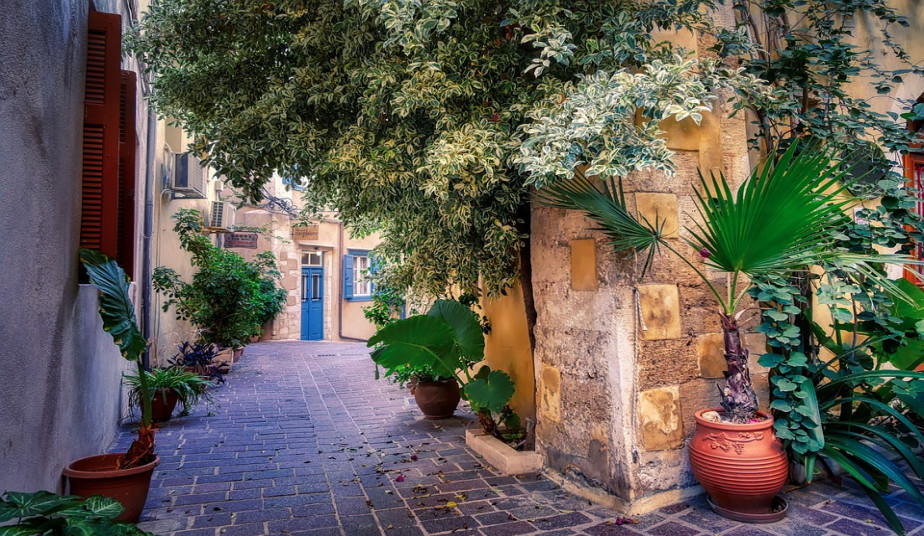
This private Chania walking tour takes you through the Old Town with a local guide who knows every lane, story and hidden corner. In 3 hours you see how Venetians, Ottomans, Jews and Cretans shaped one of the most beautiful harbor towns in the Mediterranean, and why each quarter still feels different from the next.
Start at the old Venetian harbor with the lighthouse in front of you, then explore Splantzia, the old Turkish quarter, and the Church of Agioi Anargyroi. Climb Kastelli Hill, where Minoan, Byzantine and Venetian Chania sit layer upon layer, and walk through Ovraika to the Etz Hayyim Synagogue. The tour ends with the Folklore Museum and an Ottoman hamam, two very different windows into daily life in old Chania.
Because the tour is private, the pace is yours, and your guide adapts the stories to your interests, whether you are traveling with kids, on a cruise stop or simply curious about Crete's past. Private Tours Greece has been running private tours across Greece since 2010.
- 3-hour private walking tour of Chania's Old Town with a local guide
- Venetian harbor, Splantzia, Kastelli Hill and the Jewish quarter
- Etz Hayyim Synagogue, the only surviving synagogue in Crete
- Entrance to the Folklore Museum included (Cathedral visit on Sundays)
- Tips for the lighthouse walk and the best photo spots after your tour
Start at the Old Harbor & Venetian Lighthouse
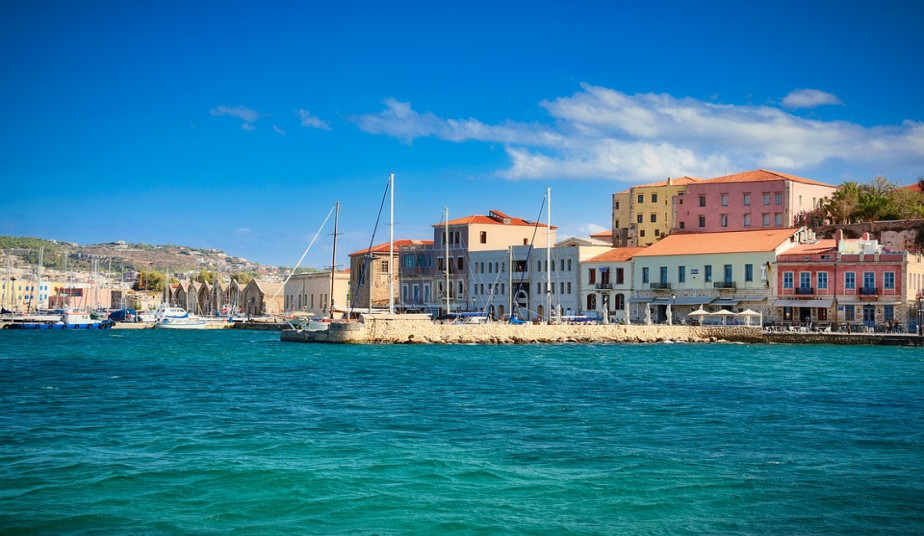
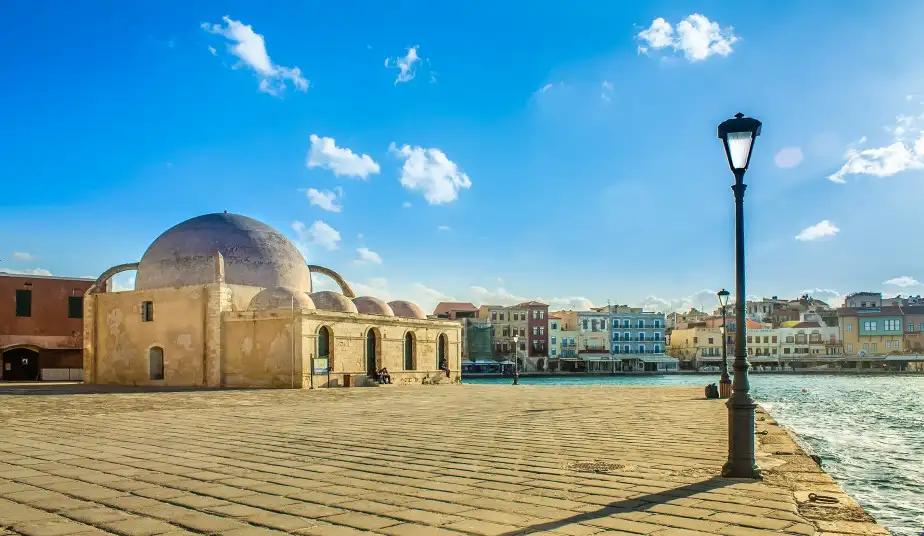
- Your Chania walking tour begins at the old Venetian harbor, with the best view of the lighthouse, the symbol of the city. Built by the Venetians in the 16th century and later rebuilt in the Egyptian period, it has guided ships into Chania for more than 400 years. Your guide explains how this port made Chania one of the richest towns in the Eastern Mediterranean.
Splantzia, the Turkish Quarter & Agioi Anargyroi Church
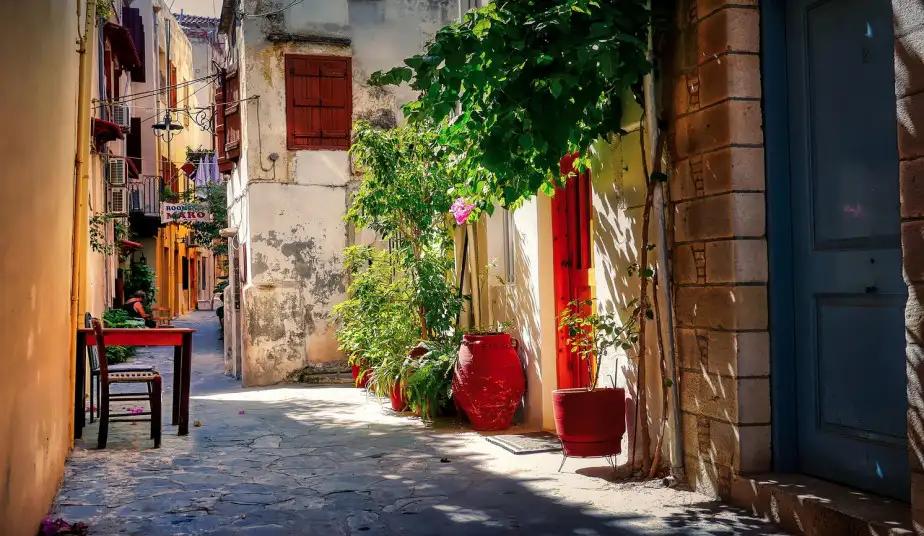
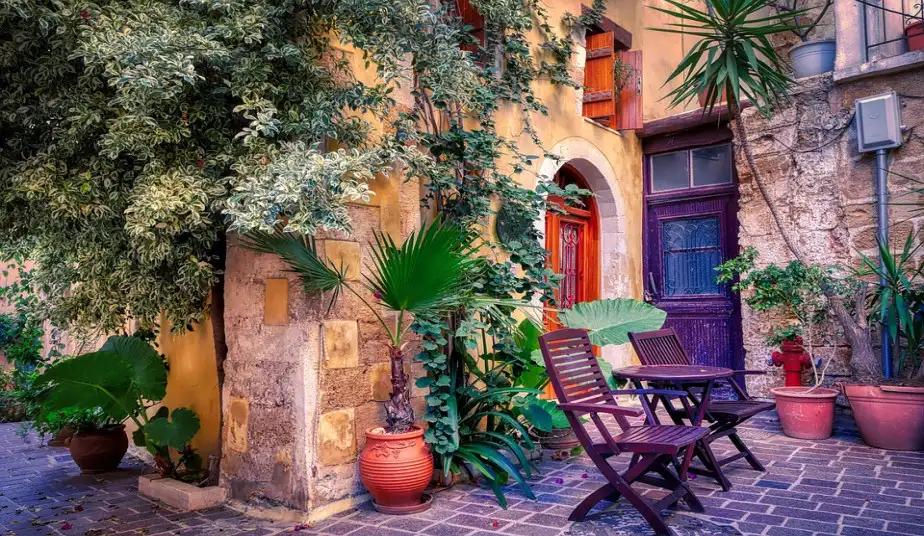
- Walk into Splantzia, the old Turkish quarter, with its leafy square, tall minaret and quiet lanes full of small cafés. Here you visit the Church of Agioi Anargyroi, said to be the only Orthodox church that kept holding services throughout the Venetian and Ottoman centuries. Your guide tells you how Christians, Muslims and Jews shared these streets and what daily life looked like when the town changed hands.
Kastelli Hill
- Climb to Kastelli, the oldest part of Chania and the heart of the Old Town. This small hill was home to Minoan Kydonia, then to the Byzantine citadel, the palace of the Venetian governor and the offices of the Ottoman rulers. Look out for Minoan excavations, Venetian walls and Ottoman houses, often all in the same street.
Ovraika, the Jewish Quarter
- Continue to Ovraika, the old Jewish quarter, known in Venetian times as the Judeca. Learn about the Jewish community that lived in Chania for more than 2,000 years and its role in the town's trade and culture. See the Etz Hayyim Synagogue, the only surviving synagogue in Crete, restored and open again as a place of memory and prayer.
Folklore Museum of Chania
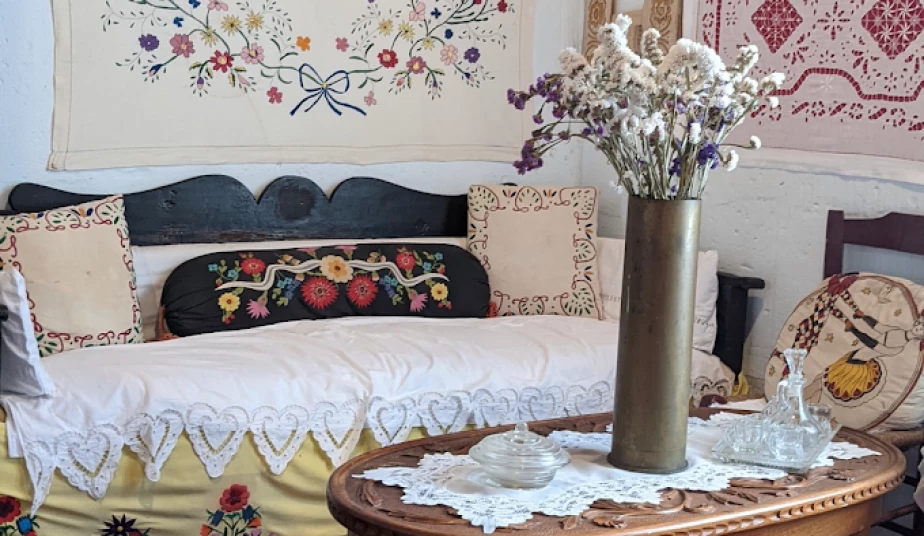
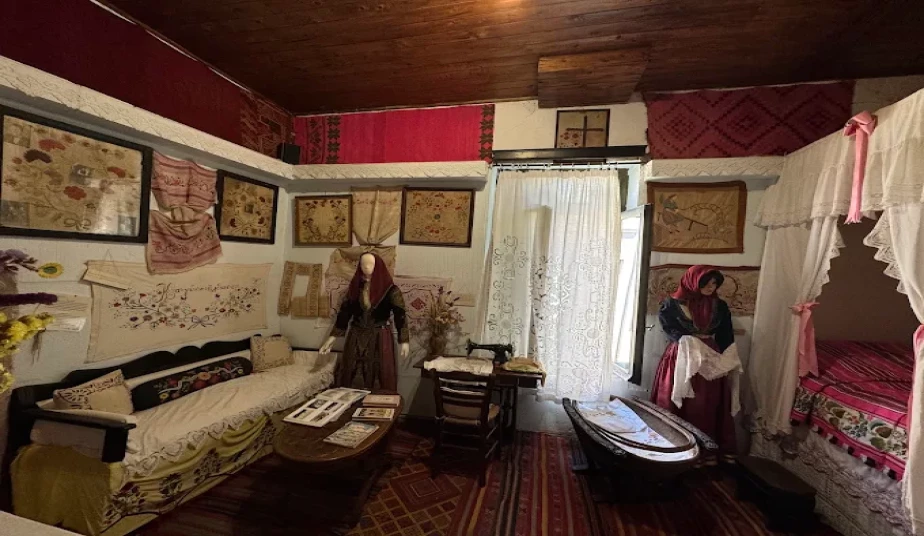
- Step inside the Folklore Museum, a small collection set in an old house in the heart of the Old Town. Here you see hand-woven textiles, delicate embroidery and the wooden looms women once used at home, along with farming tools, kitchen utensils and household objects from Cretan village life. The rooms are arranged to show how families lived, cooked and worked in past generations, long before tourism changed the island. It is a short visit, but it gives you a real picture of everyday Crete behind the monuments.
Finish at an Ottoman Hamam
- End your walk at one of Chania's Ottoman-era hamams, the public bathhouses that were once the center of social life in the town. See the domed roof pierced with small star-shaped windows and hear how locals came here to bathe, relax and catch up on the news of the day.
Notels:
- After the tour, take the 20-minute walk along the breakwater to the lighthouse itself. It is one of the best photo spots in Chania, especially at sunset
- The Folklore Museum is closed on Sundays. On Sundays we visit instead the Cathedral of Chania (Trimartyri) next door, built on the site of a Venetian church that served as a soap factory in Ottoman times, and walk along Skridlof Street, the old leather market