

Things to Do in Athens
The Acropolis: Go Early, Stay Longer Than You Think
⏱️ 10 min read
The Acropolis is non-negotiable, and you already know that. What most visitors don't know is that the site is vastly more interesting than the Parthenon alone, and that the difference between a forgettable visit and a genuinely moving one comes down almost entirely to timing. Get there when the gates open at 8am. The light is better, the crowds haven't arrived, and you can actually stand in front of the Erechtheion, with its six caryatid columns holding up the porch, without someone's selfie stick in your field of vision.
Planning your Athens itinerary? Start with our complete Athens destination guide for an overview of the city's neighbourhoods, landmarks, and logistics.
Give yourself two hours minimum. Most people rush through in forty-five minutes and leave wondering what the fuss was about. The Theatre of Dionysus on the south slope, the oldest stone theatre in the world, where Sophocles and Aristophanes premiered their plays, is included in your ticket and almost entirely ignored.
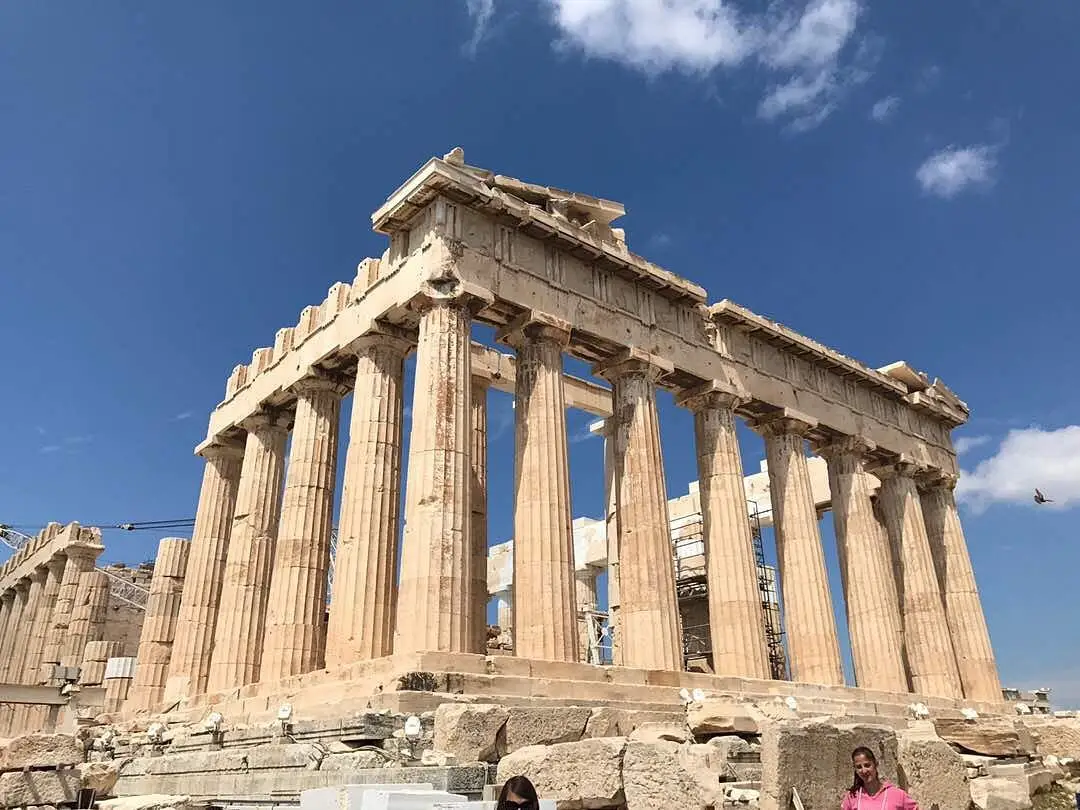
Our private Acropolis tour pairs a licensed archaeologist guide with skip-the-line access, the combination that turns a landmark into an experience.
The Acropolis Museum: Don't Skip It, Even If You're Tempted
The Acropolis Museum sits at the foot of the hill and is, by any measure, one of the finest archaeological museums in Europe. The building itself is worth noting: the top floor is aligned precisely with the Parthenon, and the ancient Athenian street excavated beneath the glass floor at the entrance sets the tone immediately.
The original caryatids from the Erechtheion, five of the six, the sixth is in the British Museum, are displayed at eye level in a climate-controlled room. You can walk around them. It is an unusual thing to stand two metres from a 2,500-year-old sculpture and feel genuinely underdressed.
Budget ninety minutes. The café on the top floor has a direct view of the Parthenon across the rooftops, and the lunch crowd thins out by 2pm.
Private Acropolis & Athens City Tour
Skip-the-line access with a licensed archaeologist guide who covers the Acropolis, the south slope theatres, and the Acropolis Museum, in the order that actually makes sense historically.
Plaka and Anafiotika: Arrive Without a Plan
Plaka is the old neighbourhood that climbs the northern slope of the Acropolis, and it rewards wandering more than any other part of the city. The main streets are tourist-facing and unremarkable. Step one lane back and the character changes immediately, bougainvillea over whitewashed walls, cats on doorsteps, the occasional smell of something cooking in a house that isn't a restaurant.
Anafiotika sits above Plaka, built into the rock face by 19th-century workers from the Cycladic island of Anafi who simply built their new neighbourhood the only way they knew how, exactly like home. The result is a pocket of the Aegean dropped into the middle of Athens: narrow stepped alleys, cubic white houses, no cars, almost no tourists. Most visitors to the Acropolis walk directly past the entrance to Anafiotika without knowing it exists.
Go in the early evening. The light comes off the rock and the city below, and the neighbourhood quiets down to something that has nothing to do with the Athens most people visit.
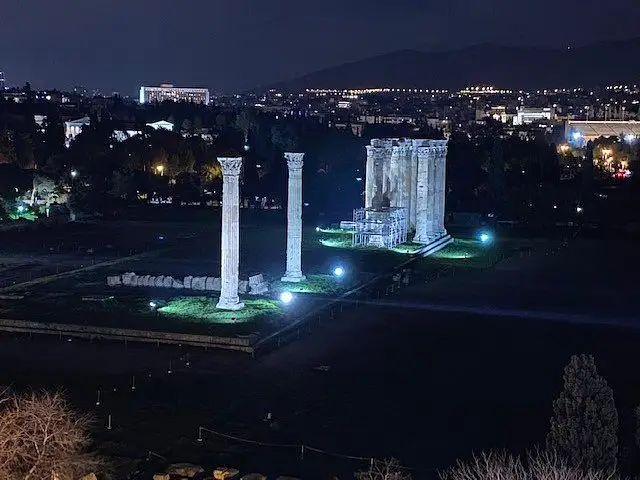
Monastiraki and the Flea Market: Early on a Sunday
Monastiraki Square is permanently busy, and the official flea market, the row of tourist shops selling worry beads and evil eyes, is mostly for browsing. The real market happens on Sunday mornings, when dealers spread across the surrounding streets selling furniture, vintage clothing, old tools, books, silverware, and a great deal of inexplicable clutter. It is genuinely unpredictable and genuinely Athenian.
For coffee before you start, the kafeneions around Avyssinia Square, the small square at the heart of the flea market, open early and serve Greek coffee the old way: slow, in a small cup, with a glass of water. Sit down, don't rush, and watch the dealers set up.
Lycabettus Hill: Walk Up, Skip the Funicular
Lycabettus is the limestone hill that rises above Kolonaki and gives the best panoramic view of the city, the Acropolis below, Piraeus and the Saronic Gulf in the distance, the sprawl of Athens in every direction. The funicular takes you up in three minutes. Walk instead: the path through the pine trees takes about twenty minutes and the approach matters.
Go an hour before sunset. The chapel of Agios Georgios at the top is small and, on weekday evenings, quiet. The view at golden hour, with the Parthenon catching the last light and the city below switching from afternoon white to evening amber, is the best photograph in Athens, and it doesn't require getting up at dawn to get it.
Full-Day Private Athens Tour
The Acropolis in the morning, the neighbourhoods in the afternoon, and the parts of the city that don't appear in guidebooks, covered in a single private day with a driver and local guide entirely on your schedule.
Where to Eat in Athens (and Where Not To)
Athens has a legitimate food culture that goes well beyond souvlaki and moussaka, and it has almost nothing to do with the restaurants around Monastiraki Square, where the menus have photographs and the prices reflect the view of the Acropolis rather than the quality of the cooking.
The streets to avoid are easy to spot: Adrianou and Kydathinaion in Plaka, the waterfront strip around Monastiraki Square, and anything within 50 metres of a major archaeological site entrance. If the menu is laminated, the host is standing outside pulling people in, or there is a photograph of the Acropolis on the sign, keep walking. You are paying for the postcode, not the food.
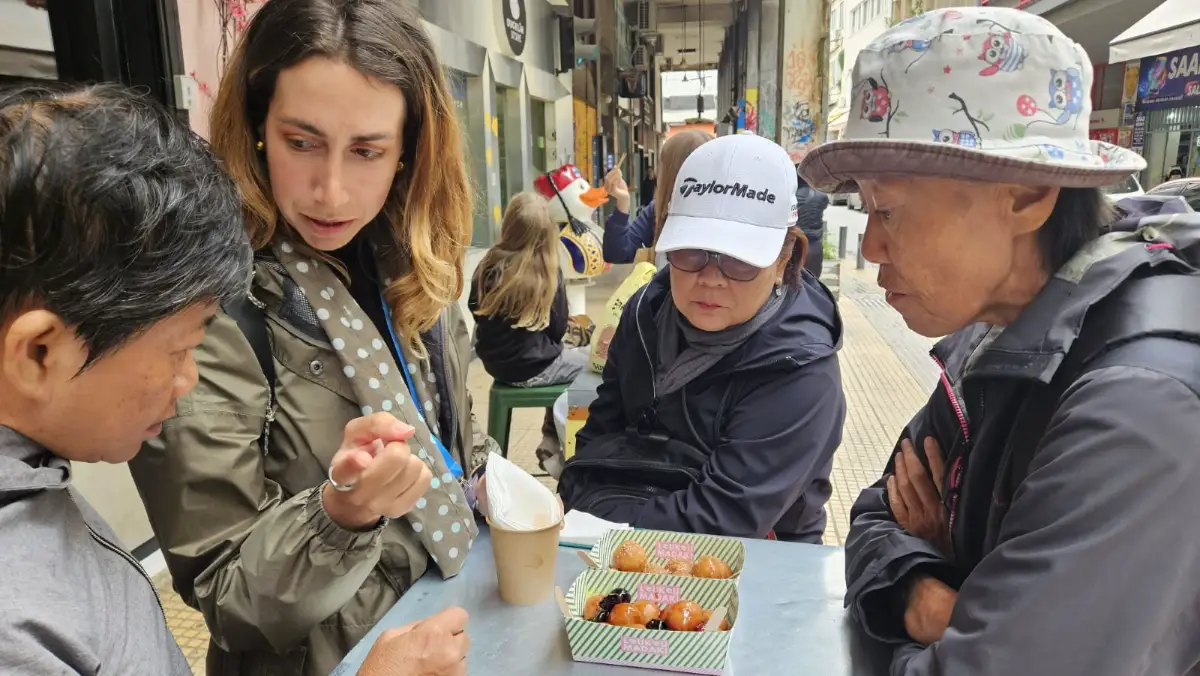
Psiri, the neighbourhood immediately north of Monastiraki, has a better ratio of honest tavernas to tourist traps. Look for places with handwritten menus, no host at the door, and a daily special written on a chalkboard.
Exarcheia is the neighbourhood that Athens residents actually eat in, politically charged, visually chaotic, and home to some of the best mezedes in the city. The small plates of taramosalata, fava, and grilled octopus that come out at a proper Exarcheia table are a different category of food from the tourist-facing version of Greek cuisine.
The Central Market on Athinas Street, the Varvakios Agora, is for the serious early riser. It opens before dawn, sells every cut of meat and variety of fish the Greek table uses, and has a handful of working-person's tavernas inside that serve offal dishes and cheap wine to butchers and fishmongers finishing their shifts. It is not for everyone, but if you want to understand what Athenians actually eat, this is where to start.
The short version: the further you walk from the Acropolis and the port, the better the cooking gets and the lower the bill. Five minutes on foot separates a forgettable tourist meal from a genuinely good one.
Day Trips from Athens: What's Actually Worth It
Athens is an excellent base, and the day trips matter because the city rewards a second morning doing the same things differently but eventually runs out of new ground. Three destinations stand apart:
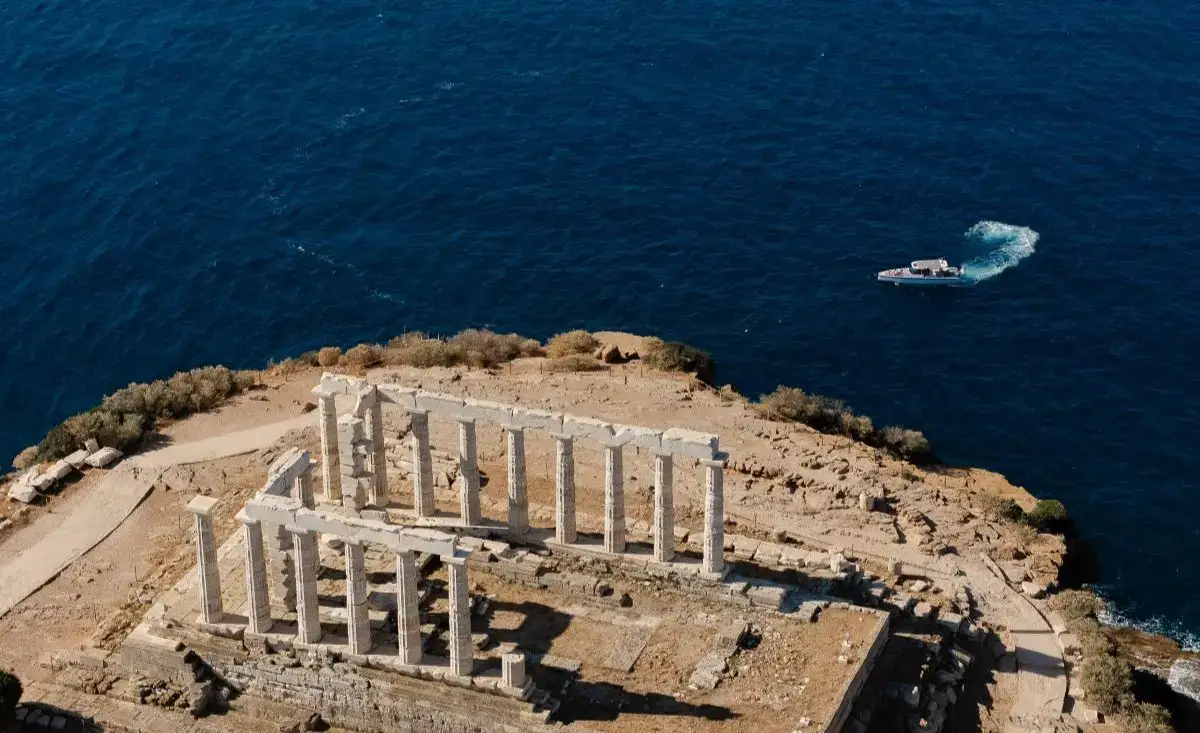
Cape Sounion is 70 kilometres south of Athens on a headland above the Aegean. The Temple of Poseidon sits at the edge of the cliff, unrestored and windswept, with a view that explains immediately why the ancient Greeks chose this particular spot to honour the god of the sea. Lord Byron carved his name into one of the columns in 1810, it is still there, which says something about both the durability of marble and the confidence of poets. Go in the late afternoon; the sunset from the temple is one of the most reliable photographs in Greece.
Delphi is a longer drive, about two and a half hours each way, but it stands apart from anything else in Greece. The sanctuary of Apollo sits on the slopes of Mount Parnassus above a valley of olive trees that stretches to the Gulf of Corinth. The site is spread across the hillside and takes a full morning to walk properly; the museum below contains the Charioteer of Delphi, one of the finest bronzes to survive antiquity. Go on a weekday.
Hydra is the island that rewards travellers who are tired of being tourists. No cars, no mopeds, the only transport is donkeys, water taxis, and walking. The harbour is genuinely beautiful and the interior of the island, once you climb above the port, is empty hillside and stone paths leading to monasteries and sea views. A day trip by hydrofoil from Piraeus takes about ninety minutes each way.
Our private day trips from Athens cover all three destinations, and we know which road to Cape Sounion avoids the afternoon traffic.
Private Day Trip to Cape Sounion
The coastal road south of Athens, the Temple of Poseidon at the edge of the cliff, and back before dinner. A private vehicle means you leave when you want and stop along the way, including at the swimming spots most day-trippers drive straight past.
Arriving by Cruise Ship: How to Use One Day Well
The port at Piraeus is about 12 kilometres from the centre of Athens. The ships dock early and leave in the early evening, which gives you a real day if you use it correctly, and a frustrating half-day if you spend the first ninety minutes figuring out transport.
A private vehicle from the port solves the logistics. You go directly to the Acropolis, you don't queue for taxis, and you get back to Piraeus with time to spare rather than sprinting through Monastiraki at 5pm. Our Athens shore excursions are timed around the ship schedule, we track departure times and we have never missed a sailing.
Frequently Asked Questions Things to Do in Athens
How many days do you need in Athens?
Two full days covers the Acropolis, the museum, the main neighbourhoods, and a good meal. Three days gives you room to slow down, add a day trip, and discover that Athens rewards the second morning more than almost any other city, because you stop trying to see everything and start actually seeing something. More than four days and you'll want to take the ferry to the islands.
When is the best time to visit Athens?
April, May, and October are the months we recommend without hesitation. The weather is warm enough for everything, the archaeological sites aren't operating at full tourist capacity, and the city has its normal rhythm rather than the compressed energy of August. June is still excellent. July and August are manageable but hot, the Acropolis in 100°F (38°C) heat with 3,000 other visitors is a different experience from the same site in May.
Is Athens safe?
Yes. Athens is a large European capital with the usual sensible precautions that apply anywhere, watch your belongings on the Metro, be aware of your surroundings in very crowded places. The neighbourhoods that look rough are almost invariably safe and often the most interesting. Exarcheia, which has a political reputation, is perfectly fine for visitors and has excellent restaurants.
Is Athens walkable?
The historic centre is very walkable, Plaka, Monastiraki, Syntagma, and the Acropolis are all connected on foot. Lycabettus Hill and the further neighbourhoods require a taxi or Metro. The Metro is clean, cheap, and reliable; several of the stations, Syntagma and Monastiraki in particular, display ancient artefacts found during construction, which is a very Athenian approach to infrastructure.
What should I not miss in Athens that most tourists skip?
Anafiotika, the Cycladic enclave built into the Acropolis rock above Plaka. The Theatre of Dionysus on the south slope of the Acropolis, included in the standard ticket and consistently ignored. The Sunday flea market in Monastiraki. The Central Market on Athinas Street. And Delphi, which is a two-and-a-half hour drive but stands entirely apart from everything else in Greece.
This guide is for you if:
- You are visiting Athens for the first time and want more than a selfie at the Parthenon
- You have been before and feel like you missed something — you probably did
- You are travelling with family and need the logistics handled
- You arrived by cruise ship and have one day to make it count
- You want to understand what you are looking at, not just look at it
- You prefer to eat where Athenians eat, not where the menu has photographs
- You want to add a day trip that is actually worth the drive
- If any of these sound familiar, you are in the right place.
Ready to See the Real Athens?
Tell us your dates, your ship's schedule, or how many days you have, and we'll build a private itinerary around what you actually want to see, not what everyone else does.
Plan My Athens VisitPowered by  InternetMarketing.gr