

Travel Blog Articles

Kavala

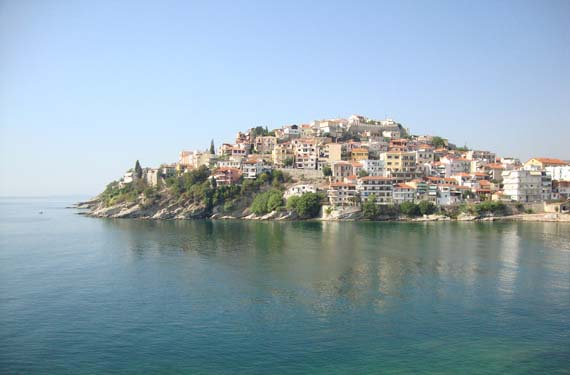
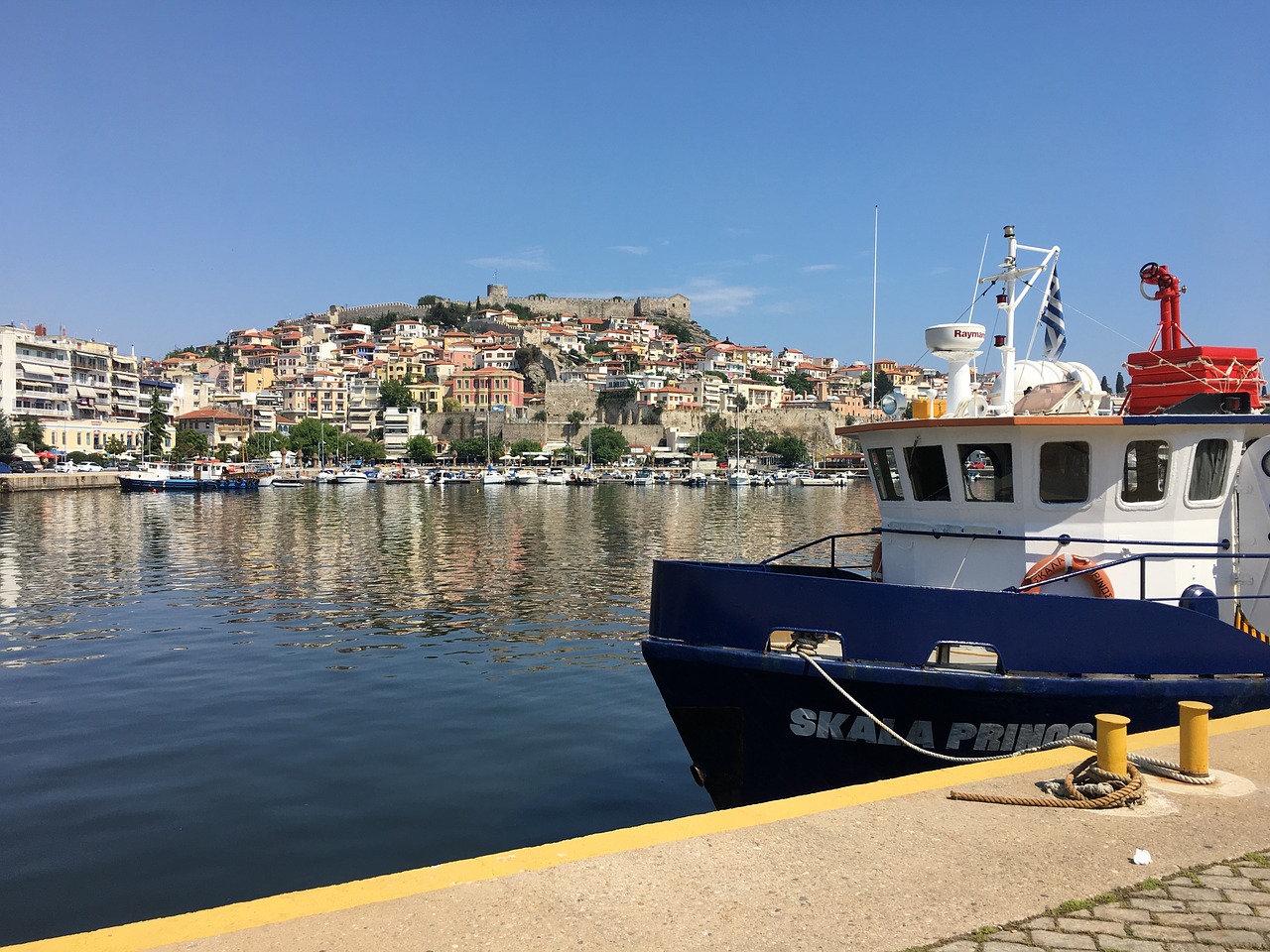
Kavala, the capital and main port of the Kavala prefecture is amphitheatrically built on the slopes of Mt. Symvolo forming one of the most picturesque cities in Greece. The city’s breeze sweeps through its historic buildings, which perfectly reflect the city’s modern character.

Neapoli, Chrysoupoli, Kavala: according to archaeological finds, the city’s history dates back to the Prehistoric times. Initially the city’s core was restricted to the district of Panayia, which has been uninterruptedly inhabited since the 7th century BC. After 2500 years though, at the beginning of the 16th century, Kavala expanded maintaining these new borders until 1870; it was only after 1928 that it began to shape its today structure. Its strategic and economic importance over the centuries is attributed to its strategic position in Via Egnatia, which traversed the city connecting East and West, to its port and to the natural fortification of the peninsula, on which the old city was built.

A tour around the Old City (Panayia)

The most important sights in Panayia district are the Castle, the Acropolis, the Imaret and the old Lighthouse at the end of Theodorou Pavlidou str, beneath which the rocks of Panayia are situated. The landmark of the Old City is the Mohamed Ali square, dominated by its statue, situated between the “konaki” (his house built at the end of the 18th century) and the church of Panayia, built in 1965 on the ruins of an older post-Byzantine three-aisled basilica. A tour around the Mohamed Ali Street will lead you to the oldest district of the city, where you will have the chance to visit Hussein Bey Mosque (or Music Mosque).


Text & images copyright "Visit Greece".

Kavala - The modern town & Seven important buildings

Kavala boasts a unique character reflecting its recent past: neoclassical mansions and big tobacco warehouses evoke the memory of a distant past when a wealthy bourgeoisie was dominating the city. In the “Mecca of tobacco” as Kavala was named in the past, thousands of tobacco workers, male and female, earned their living. Their faces will remain alive for all eternity thanks to the black and white photos adorning the walls of the city’s Tobacco Museum. At the cobblestoned, lined with palm trees port, stand one next to another modern buildings and fish tavernas, while fish boats cast their reflection on azure waters.

The city’s most popular meeting point is Eleftherias Square while the most buzzing point is Megalou Alexandrou Pedestrian Street featuring chic shops, cafes, bars as well as a tobacco warehouse that has been transformed into a shopping center. Close to Eleftherias square lies the old scenic neighborhood of Agios Nikolaos, where also the homonymous church – a former mosque- is situated. On the relics of an ancient pillar one can see what, according to tradition, is supposed to be Apostle Paul’s footprint, left there from the time that he first visited Macedonia.

Seven important buildings

  • Tokos Hall (1879). The residence of tobacco farmer D. Tokos which had hosted the consulate of Italy for two years (1879-80) and features Ottoman, Neoclassical and Baroque elements. Today it is the seat of the 12th Department of Byzantine Antiquities.
  • The old Girls’ School, a neoclassical building, which today houses the 10th Primary School.
  • Megali Lesxi (Big Club), (1910). A neoclassical mansion that now houses the Municipal Library.
  • The City Hall (1890), the former residence of the Hungarian tobacco trader Pierre Herzog.
  • Wix Hall (1898-1900), which used to be the residence of the German Baron Adolf Wix von Zsolna until 1925. From 1989 on it houses the municipal authorities.
  • The Catholic Mission (1888-92), a building that housed the French consulate as well as a school of French language.

The Municipal Tobacco Warehouse (built around 1900) featuring Ottoman, Neoclassical and Baroque elements.


Text & images copyright "Visit Greece".

Kavala - Kamares, The Castle and the Acropolis, Imaret & The Mecca of tobacco

Kamares, meaning arches, are the trademark of Kavala and a listed monument. It is actually an aqueduct built in 1550 by the Sultan Suleiman II, the Magnificent and repaired in the 19th century by Mehmet Ali to serve the water supply needs of the City. It is a monumental construction, 52meters high, consisting of 60 arches. On Kamares are perched some beautifully repaired refugees’ houses as well as 20th century stores.

The Castle and the Acropolis

The Acropolis was built by the Ottomans between 1425 and 1530 on the ruins of a byzantine castle. It consisted of the inner and the outer walls, which connected the acropolis to the peninsula’s walls fortifying the lower part of the hill on the side of the port.

The castle was built at a time when the war was conducted with early weapons such as bows, arrows and swords. This is why it could not defend the region sufficiently and ceased to operate as a defensive fortress in the following years. Around 1700AD it became a place of imprisonment and exile. The walls surrounding the peninsula of Panayia were reconstructed from the Ottomans at the beginning of the 16th century in order to protect the 130 hectares’ city.

Imaret

Imaret is an impressive building erected by Mehmet Ali (1769-1849) as a donation to its native town. Ali was born in Kavala and later became Ruler of Egypt. It is situated on the western side of the Old City, in Panayia, occupying an area of 3500 m2. It was beautifully renovated by the Misirians, a family of tobacco traders. The building complex was a “kulliye”- a religious school- maybe the last of the Ottoman Empire offering social and educational services. On its premises it hosted two Madrasahs (religious educational foundations), two mestzit (pray-spaces), an imaret (a kitchen for soup), a mekteb (elementary school), offices and dormitories. 

The initial educational and charity purpose of the foundation eventually changed and after 1858 it was even considered to be harmful for the city. It continued however to operate as a religious school until 1902 and as a charity foundation until 1923. After the exchange of populations between Greece and Turkey at the beginning of the ‘70s, Imaret was inhabited by refugees. After 1967 Imaret entered into an era of decadence. Its renovation lasted 22 months and today it operates as a luxury hotel.

The Mecca of tobacco

The tobacco cultivation started in Kavala at the beginning of the 19th century forming an indispensible part of the city’s history for over 150 years, as well as the reason for the city to be wealthy and prosperous. From 1918 onwards operated in Kavala around 50 tobacco companies while the 160 tobacco warehouses engaged half of the country’s tobacco workers (around 14.000). 

However, the world economic crisis that broke out in 1929, the fact that the profession became less “protected” and the withdrawal of many men from tobacco industry led the biggest tobacco centre of the Balkans to a great decline.


Text & images copyright "Visit Greece".

Discover Luxury Hotels and Stays in Santorini

Where to Stay for a Luxury Experience in Santorini

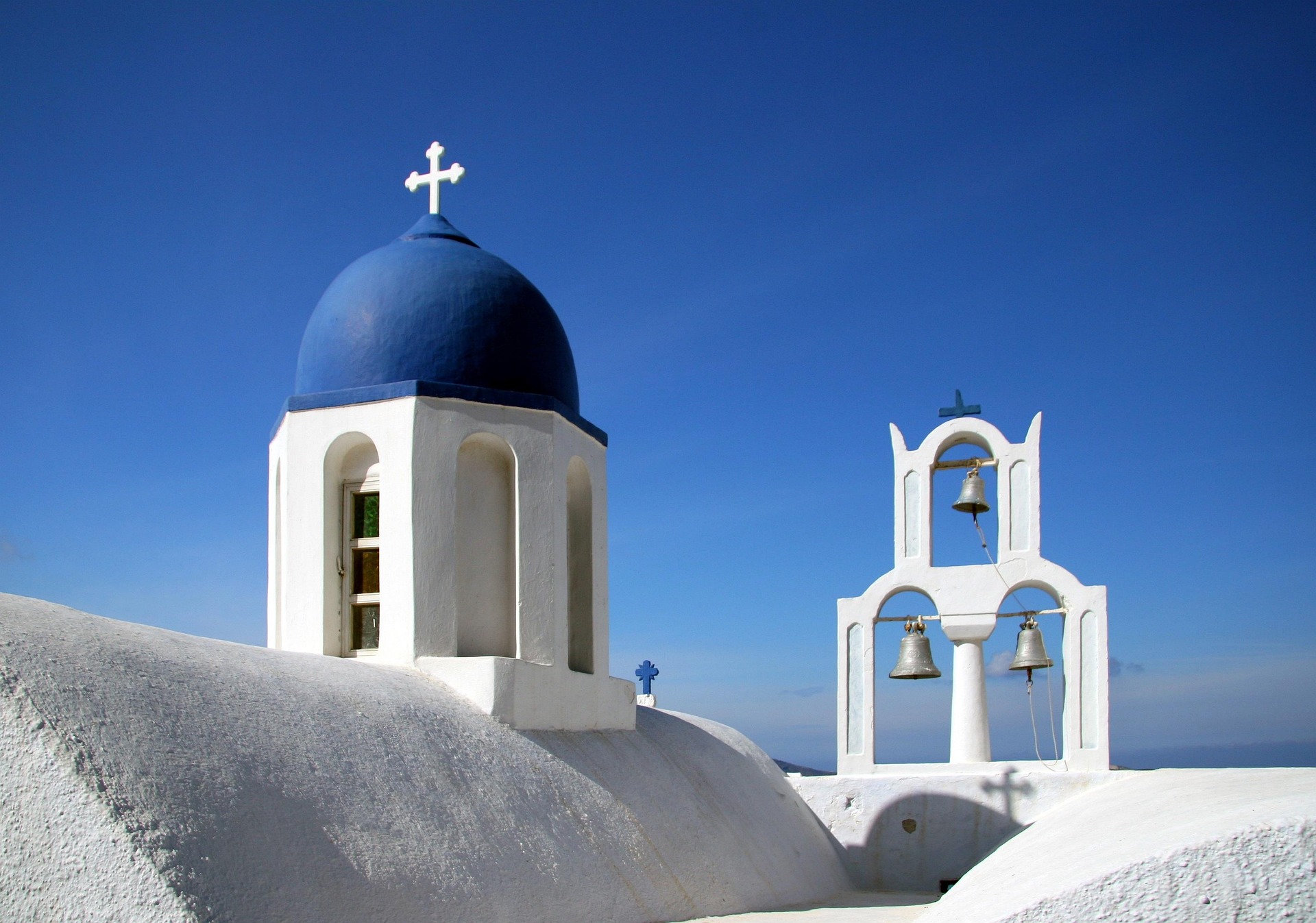
Santorini is known worldwide for its iconic views, whitewashed architecture, and high-end hospitality. The island offers a wide selection of luxury hotels that combine design, comfort, and exceptional locations overlooking the caldera.

Choosing the right hotel can significantly enhance your experience, especially if you are looking for privacy, premium services, and memorable views.

What Defines a Luxury Stay in Santorini

Luxury hotels in Santorini are designed to offer more than just accommodation. They focus on creating a complete experience that combines location, service, and atmosphere.

Many properties include private terraces, infinity pools, and panoramic views, making them ideal for relaxation and special occasions.

Best Areas to Stay in Santorini

Different areas of the island offer different types of luxury experiences.

  • Oia for sunset views and iconic scenery
  • Fira for central location and accessibility
  • Imerovigli for quieter, high-end stays
  • Perivolos and Kamari for beachside resorts

Your choice depends on whether you prefer views, privacy, or proximity to local attractions.

What to Expect from Luxury Hotels

High-end hotels in Santorini typically offer a range of premium amenities.

  • Infinity pools and private plunge pools
  • Caldera or sea views
  • Fine dining and breakfast experiences
  • Spa and wellness facilities
  • Personalized services and concierge support

These features create a comfortable and exclusive environment for guests.

Luxury Hotels vs Boutique Stays

While luxury hotels offer full-service experiences, boutique properties provide a more intimate and personalized atmosphere. Both options are popular in Santorini and depend on your travel style.

Luxury hotels are ideal for travelers who prioritize comfort and amenities, while boutique stays focus more on character and design.

Experiences to Combine with Your Stay

Staying in a luxury hotel allows you to combine accommodation with premium experiences across the island.

  • Private tours and island exploration
  • Wine tasting experiences
  • Boat tours around the caldera
  • Sunset dining and photography spots

Many travelers choose to enhance their stay by including private tours in Santorini for a more personalized experience.

Best Time to Book Luxury Hotels in Santorini

The best time to book luxury accommodation is several months in advance, especially for peak season between June and September.

Spring and autumn offer a more relaxed experience with better availability and milder weather.

Who These Hotels Are Best For

Luxury hotels in Santorini are ideal for couples, honeymooners, and travelers looking for a high-end experience. They are also suitable for special occasions and those who value comfort, privacy, and premium services.

The island’s combination of scenery and hospitality makes it one of the most popular luxury destinations in Greece.

Frequently Asked Questions

Are luxury hotels in Santorini expensive?

Prices vary depending on the season and location, but Santorini is considered one of the premium destinations in Greece.

Which area is best for luxury stays?

Oia and Imerovigli are the most popular areas for high-end accommodation with caldera views.

Do luxury hotels include private pools?

Many luxury hotels offer private or semi-private pools as part of their amenities.

Is Santorini suitable for luxury travel?

Yes, it is one of the top luxury destinations in the Mediterranean.

When should I book a luxury hotel?

Booking early is recommended, especially for summer travel.

Planning Your Luxury Stay in Santorini

Choosing the right hotel is an important part of planning your trip. Santorini offers a wide range of luxury accommodation options that can match different preferences and travel styles.

If you are looking for a destination that combines scenery, comfort, and high-end experiences, Santorini remains one of the most reliable choices.
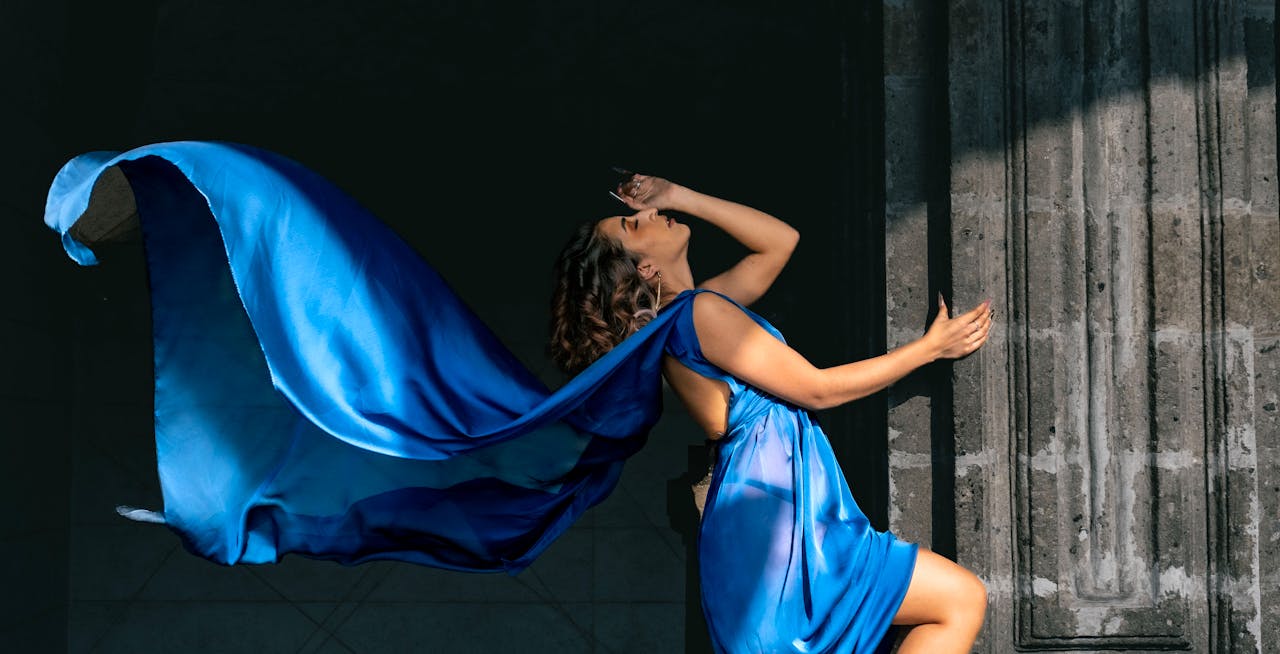
Flying Dress Photoshooting in Santorini

Flying Dress Photoshoot in Santorini – Is It Worth It?

A flying dress photoshoot in Santorini has become one of the most popular experiences for visitors looking to capture something different during their trip.

With dramatic landscapes, white architecture, and open views over the caldera, the setting naturally lends itself to this type of photography.

Why Choose a Flying Dress Photoshoot

The main appeal is the visual effect. The movement of the dress combined with the scenery creates images that feel more dynamic than standard travel photos.

It’s also an experience in itself, not just a photoshoot.

What Makes Santorini Ideal

Santorini offers some of the most recognizable backdrops in Greece. Locations like Oia, Imerovigli, and the caldera cliffs provide strong contrast and depth in photos.

The natural light, especially during sunset hours, adds to the overall result.

Things to Consider Before Booking

  • Cost: Prices can vary depending on the package, dress options, and photographer.
  • Timing: Early morning or sunset sessions usually give better light and fewer crowds.
  • Experience: Choosing a photographer familiar with this type of shoot makes a noticeable difference.
  • Wind conditions: The effect depends on movement, so weather plays a role.

Is It Worth It?

If you are looking for something more unique than typical vacation photos, then yes, it can be worth it.

For many visitors, it becomes one of the highlights of their time in Santorini, especially for special occasions like honeymoons or anniversaries.

Final Thoughts

A flying dress photoshoot is not just about the final images. It is also about the experience of being in a unique setting and capturing a moment in a different way.

If that idea appeals to you, it is worth considering as part of your trip.

Kefalonia - Argostoli, Lixouri

This green island with its breathtaking beaches and crystal clear waters of greenish-blue colours will take your breath away. Kefalonia a gem in the Ionian Sea. It carries a rich history in cultural tradition. It’s the biggest Ionian Island and the green of its mountains blend with the blue of the water making it truly unique and a beloved destination. Pine, cypress and olive trees cover Mt. Ainos' peak, while at its foot you’ll come across vineyards where the popular Kefalonian Robola wine variety is produced.

If you happen to love snorkeling or diving then the seabed around the island will definitely satisfy you. You might even get the chance to encounter the rare, caretta caretta, sea turtle that take refuge here, as well as the monk seals monachus monachus. Kefalonia’s culinary tradition, history, traditional villages, upbeat nightlife and pristine beaches will make you fall in love with the island.

Argostoli

The biggest town and capital of the island is Argostoli. It is a town built around a hill, with a city-like life, filled with various types of entertainment: shops for you shopping lovers, cafes to sit back and relax, bars and beaches nearby. Although Argostoli was totally ruined by the earthquake in 1953, there are still sites that depict the old venetian architecture. You can see the old town Krani with the Cyclopean Walls; walk along the pedestrian street, where if you have the opportunity you may encounter the local philharmonic orchestra playing traditional Ionian Island songs; you can complete your promenade by the port. Visit the Korgialeneios Library with its rare collection of books and manuscripts that operates as a folk art museum. If you enjoy night life, you can find clubs where you can stay up till dawn.

Lixouri

The westernmost of the two peninsulas of Kefalonia is the one of Paliki. The houses here were gravely damaged in the earthquake of 1953 but were rebuilt from scratch, taking into account traditional architecture. It is the second biggest town of the island, however it is a peaceful town that is ideal for those who love peace and quiet.You can enjoy your coffee, your pastry sweets and the local cuisine at the port and at the square with the famous ficus plant. Pass by the manor of the Typaldon-Iakovaton brothers built in 1866, which use to house the Iakovateio Library (a listed building), but due to the 2014 eathquake the building suffered damage and is temporarily closed to the public and under reconstruction. It is home to 25,000 books and a small museum, where three Christian parchments of the 10th, 14th and 15th century, old furniture, sacred vessels and vestments are kept. Visit the Kipouria Monastery where you can enjoy one of the most breathtaking sunsets on the island.


Text & images copyright "Visit Greece".

Kefalonia - Fiscardo, The Cave Lake of Melissani & Assos

Fiscardo survived the destructive earthquake of 1953. Most of the buildings preserve their traditional local colour that travels you back in time: the grand mansions with their elegant balconies, the old two-storey houses, the dark red tiled rooftops, the green mountainsides, the blue of the sea and the overall scenery is enchanting. This picturesque village is the home town of the Greek poet Nikos Kavvadias who usually wrote about the sea.

The Cave Lake of Melissani

The cave lake of Melissani is a wonder of nature and one of the most impressive sights on Kefalonia which is located in Karavomylos, an area close to Sami town. Melissani was discovered in 1951 and following construction works in order to make it accessible it has become one of the most famous tourist attractions. The magic of the landscape is  partly because of the roof that has collapsed and you have a view of the sky while being in a cave. If you visit during the day when the sun is high and the sunshine drops on the lake it makes the light blue waters shine giving off a magical soothing feeling.

Assos

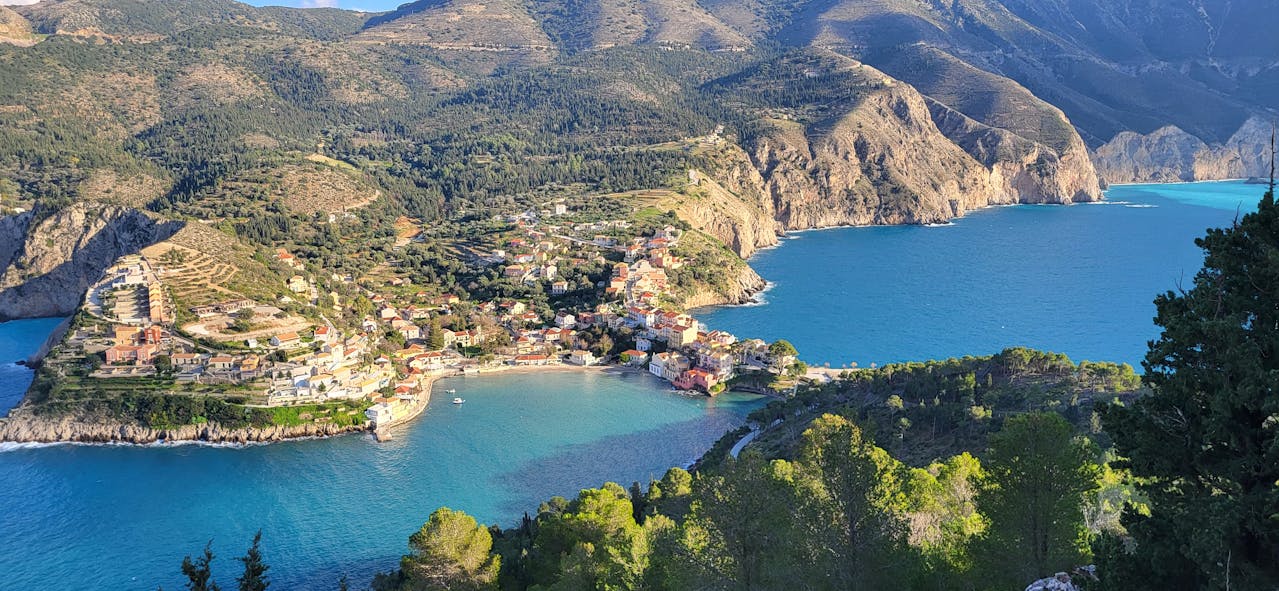
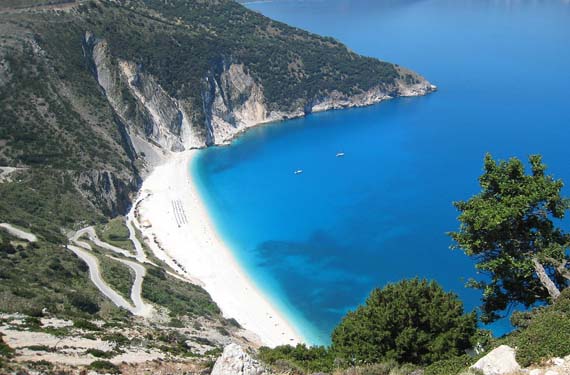
At the north part of the island, picturesque Assos village is built alongside of cliffs, among pine trees and cypresses. Sparsely built with traditional color, in an impressive landscape, Assos fascinates with the peace and simplicity it depicts. Apart from the wonderful waters of Assos, at a nearby distance don't miss Myrtos beach as well as many other picturesque small bays that wait to be discovered.


Text & images copyright "Visit Greece".

Kefalonia - Kourkoumelata, Ainos & Gastronomy

The most passionate mention it as the most wonderful village of the Balkan area. The village is called Kourkoumelata and lies at the southwest part of the island. The earthquake of 1953 ruined Kourkoumelata, as it ruined most areas of the island, however, the way that this area was rebuilt is the feature that makes it stand out. This resettlement has occurred abiding by both to modern rules of city planning and to the preservation of neo-classic features. You can't miss this!

Ainos

The mountain that prevails in Kefalonia is Ainos, whose peak reaches 1.628 meters, and is the only national park that can be found on a Greek Island. The fir tree grows natively on this mountain on Kefalonia. The black needles of the Kefalonian fir tree gives an impressive dark colour to the mountain. In the cliffs of the mountain you might also be lucky enough to see small wild horses. The mountain is ideal for excursions and hiking in its verdant nature around the paths that vary in difficulty.

Gastronomy

Kefalonian cuisine is renowned. The island produces yellow cheese, feta cheese, olive oil, honey and local meats. It also home to a large number of delicious recipes; native recettes cookbooks that were given from one generation to the next. You must try the famous meat pie, the lagoto dish that is cooked with rabbit and sofigado dish with goat. You should not miss the cod pie filled with salted cod fish and skordalia (a garlic sauce) made with boiled potatoes in cod's broth with lemon or vinegar. You must also taste strapatsada (scrambled cooked eggs with tomatoes) and tsigaridia (fresh greens cooked with tomato sauce). If you have a sweet tooth savour the island's traditional sweets, such as mandoles (almonds assorted with sugar) and pastokydono (a sweet made of quince puree). Don't miss a sip of the local wine; drink Robola, the famous wine of Kefalonia, a dry white wine you can enjoy with a good traditional dish. Bon Appétit!


Text & images copyright "Visit Greece".

Lefkada

Lefkada is surrounded by a total of 24 islets - Aristotle Onassis’ Skorpios being one of them. It connects to the opposite coast of Central Greece via a floating swing bridge (length: 50 m). The bridge offers easy access to Lefkada to visitors from all over Greece. On Lefkada you will find noteworthy sights, churches and monasteries, picturesque villages, lush vegetation, idyllic coves of transparent, turquoise waters, busy and secluded beaches of stunning beauty, a significant cultural heritage and hospitable locals.

Lefkada town

Lefkada is the island’s capital and port town. The town planning is a very particular one and resembles a “fish backbone”. There are picturesque alleys, small squares, traditional houses, elaborate belfries and paved pedestrian zones that give this town its character. The city is surrounded by a canal and a lagoon, while, farther north, lies Gyra, a thin stretch of a sandy beach forming a circle, dotted with windmills and scant vegetation.

  • Town promenade
    To the lagoon, one of the Ionian Sea’s most significant wetlands, protected by the Ramsar Convention as a wetland of international importance. There is also an ivari, a fish farm where fish grow in their natural environment.
  • To Agia Mavra fort, at the town’s entrance, constructed by a Sicilian named Giovanni Orsini in 1300.
  • To Bosketo Park, where busts of the island’s eminent scholars are to be found.
  • To the pedestrian zone along the coast lined with the younger generation’s hangouts.
  • To the central square with many restaurants and cafés where Agios Spyridonas church is located (late 17th c.) with an interesting iconostasis and icons. The main town mall (along Melas Street) starts from this point.
  • To Kouzounteli (or Kouzoumpei) area, where age-long plane trees stand next to traditional coffee shops that serve freshly ground coffee and soumada drink made from fragrant almonds.
  • To the Archeological Museum. Finds (mid-Paleolithic times - 4th c. AD) come from tombs excavated at Nydri, burial grounds of the ancient town of Lefkada, etc.
  • To the Public Library. There is a wide collection of printed documents and post-Byzantine icons painted in the style of the Eptanesian iconography school by eminent religious iconographers such as Doxaras, Roussos, etc.
  • To Charamogleios Eidiki Lefkadiaki Library (a library treating exclusively local themes) exhibiting rare books, gravures and maps. The art gallery is often the venue for painting and photography exhibitions. The library’s collection has been included in the Guiness Book of Records.
  • To the “Pantazis Kontomichis” Folk Art Museum. Exhibits include a wide and rare collection of items related to local everyday life and work.
  • To the Phonograph-Memorabilia Museum whose exhibits include old phonographs, vinyl records, decorative antique items, old banknotes etc.
  • To the agelong Elaionas (Olive Grove).
  • To Megalos Avlaimonas and Mikros Avlaimonas wetlands, two natural-habitat fish farms near the city.
  • To the windmills at Gyra.


Text & images copyright "Visit Greece".

Lefkada - Events, Activities & Sports
  • International Folklore Festival. As of 1962, bands and artists from all over the world meet in Lefkada every August and exchange the product of their cultural and artistic folklore in the fields of dancing, music, and traditional heritage.
  • The Discourse & Art Festival. It has been organised by the Cultural Centre of Lefkada and involves theatrical and musical events, exhibitions, conferences, and poetry nights. It is one of Greece’s oldest cultural institutions along with the Athens Festival.
  • Wine festival that takes place in Sfakiotes Municipality on Frya Square, around the historic Frya Well.
  • Representation of a traditional wedding in Karya (August 11th).


Activities

  • Swimming. If you stay in Lefkada town, you can swim at Kastro, Gyra, Myloi, and Agios Ioannis Antzousis. You will discover there are amazing beaches almost everywhere and to the island’s east you will find numerous beautiful, wooded isles.
  • Visiting the sea caves. Kalamos and Kastos isles are within a short distance and can boast beaches and sea caves of great beauty.
  • Bicycling; the town of Lefkada as well as the nearby coastline are ideal for a bicycle ride. Go round the lagoon, following the exceptional scenic route: Agia Mavra – Gyra – Myloi – Ai Giannis – Lefkada.
  • Marina: it is located at the town’s east side, and is considered to be the best equipped marina in Greece.


Sports

  • Kite surfing in Myloi beach.
  • Mountain biking: the island’s tall, green mountains are criss-crossed by routes and trails that are ideal for this sport. Rent your mountain bike in Lefkada town.
  • Paragliding (parapente) over Kathisma beach.


Text & images copyright "Visit Greece".

1 2 3 4 5 6 7 8 9

© Copyright Tours-Greece Travel Services