

Travel Blog Articles
Walk Liston Promenade - Then Find the Cricket Pitch Next Door
⏱️ 8 min read
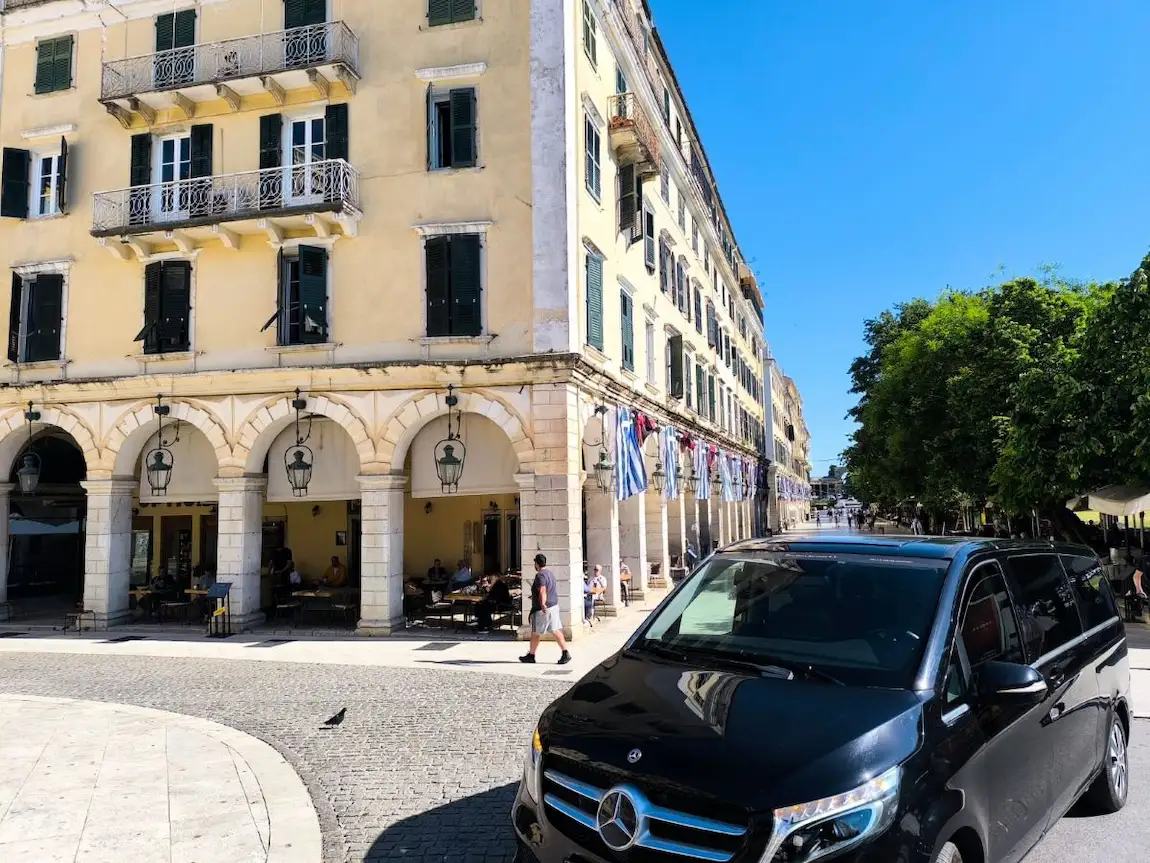
Liston is the wide, arcaded promenade the French built in Corfu Town during their brief occupation, modeled on the rue de Rivoli in Paris. Most visitors stop here for coffee and move on. Walk one block further onto Spianada Square and you find something almost nobody expects on a Greek island: a working cricket pitch, laid out by the British in the early 1800s and still used by the Byzantine Cricket Club today. It is the only one in Greece, and it tells you more about Corfu's layered history than any plaque does.
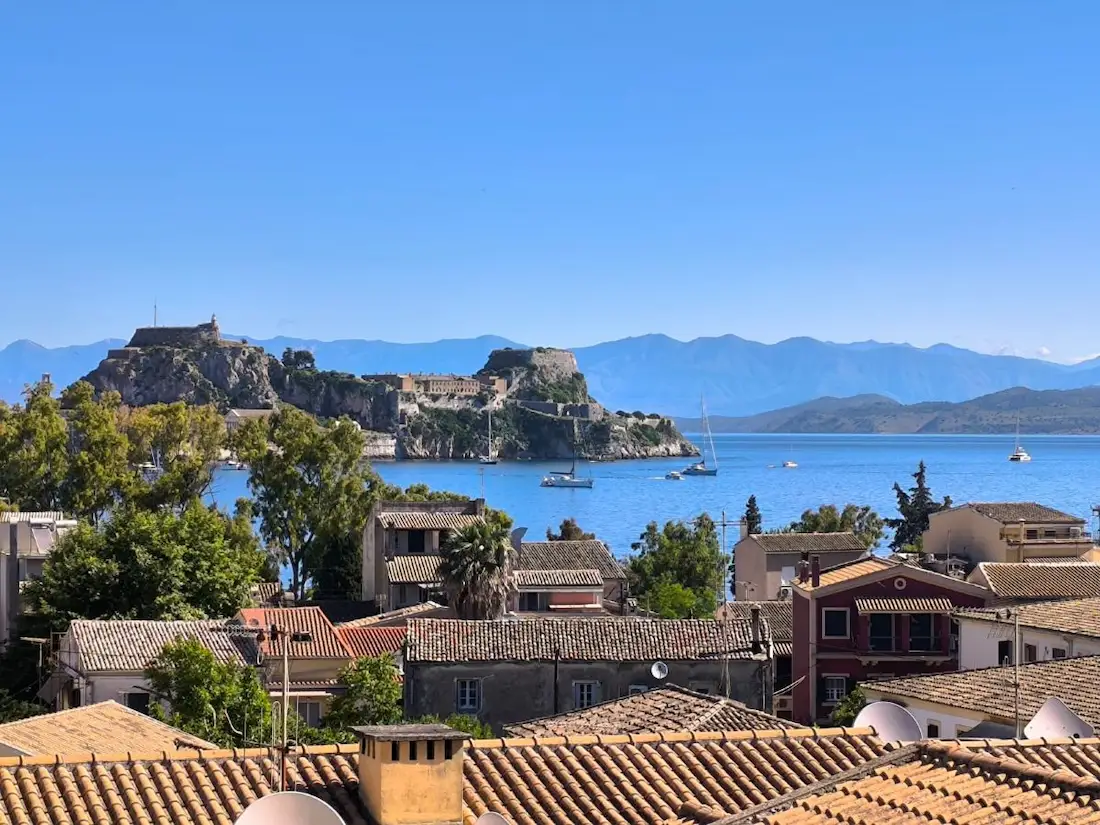
Just behind Liston, on the headland separating the old and new ports, sits the Old Fortress - a Venetian and later British stronghold that has guarded Corfu Town since the 16th century. Climb to the upper terrace and the view stretches across both harbors at once, sailboats included.
Planning your Corfu itinerary? Start with our complete Corfu destination guide for an overview of the island's regions, beaches, and logistics.
Achilleion Palace and the Mouse Island Myth
Achilleion Palace sits in the village of Gastouri, reached by a road that winds through olive, orange and lemon groves before the palace appears. Empress Elisabeth of Austria - Sisi - built it in 1890 as her escape from court life in Vienna, obsessed enough with the myth of Achilles that the gardens are dominated by a towering statue of the Wounded Achilles, spear still in hand.

RECOMMENDED EXPERIENCE
Achilleion Palace & Old Town Shore Excursion
Visit Empress Sisi's palace in Gastouri, the Kanoni viewpoint over Mouse Island, and the UNESCO-listed streets of Corfu Old Town - all in one private tour.
⏱️ Duration: Half-Day | ⭐ 5.0 Book Now
From the palace, the road continues to Kanoni, where the view opens onto Pontikonisi - Mouse Island - sitting in the lagoon below. Local legend says it is the petrified ship that carried Odysseus home, turned to stone by Poseidon. The tiny Byzantine chapel at its center only opens to visitors once a year, on August 6th, but the view from the Kanoni cliffside is worth the stop on any day.

Paleokastritsa and the View From Lakones
Paleokastritsa earns its nickname, the Capri of Greece - a series of emerald coves cut into the cliffs of the northwest coast, with a Byzantine monastery perched above the water since the 13th century. Most tour buses stop at the beach and turn back. The village of Lakones, a short drive up the hillside, is known locally as God's Balcony for a reason: from there, the whole bay opens out below in a single uninterrupted view that the beach itself never gives you.
RECOMMENDED EXPERIENCE
Paleokastritsa & Mouse Island Private Tour
Combine the emerald coves of Paleokastritsa with the Kanoni viewpoint over Mouse Island - two of Corfu's most photographed spots in one private day.
⏱️ Duration: Half-Day | ⭐ 5.0 Book Now
Step Back Into the 1930s at Danilia Village
Danilia is a built replica of a 1930s Corfiot village, complete with a church, a working kafeneio, and stone houses arranged around two open squares. It sounds like a tourist trap on paper, and most visitors who skip it assume that is what it is. It is also where the James Bond film "For Your Eyes Only" was shot, and more recently a filming location for the ITV series "The Durrells" - which is part of why it photographs the way it does, without a single visible concession to the 21st century.
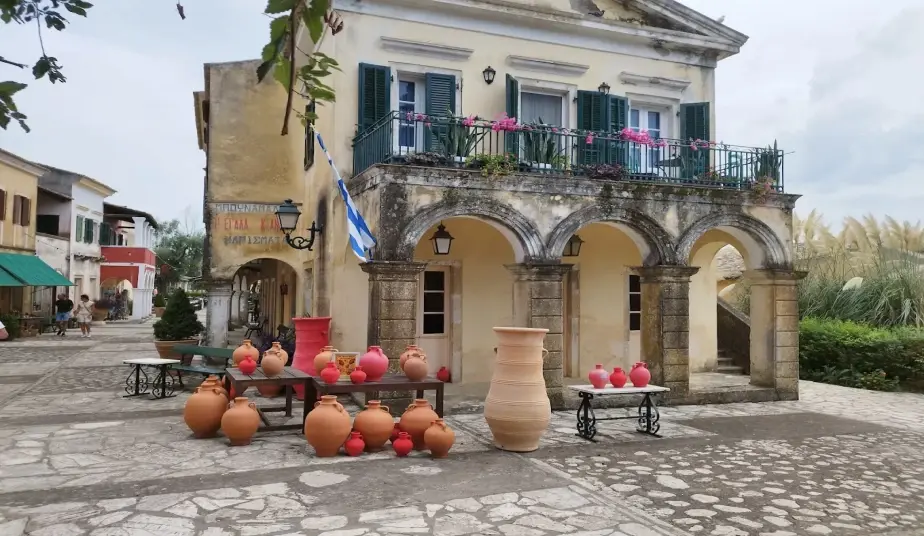
Our Danilia Village and Old Town tour pairs the two in one afternoon - the staged charm of Danilia and the genuine streets of Corfu's old town, back to back.
Eat Like a Corfiot, Not Like a Cruise Passenger
Corfiot food carries a Venetian accent that the rest of Greece does not have - pastitsada, a slow-braised beef in tomato and spice sauce, and sofrito, garlic-and-vinegar veal, both trace back to centuries of Venetian rule. The British left their own mark too: tsitsibira, a homemade ginger beer, is still poured in old town cafés exactly as it was under the protectorate. Corfu is also the only place in Greece that produces kumquat liqueur, made from a small citrus fruit introduced from Asia that somehow only ever took root here.

The best way to taste all of it is on foot. Our walking food tour in Corfu starts at the Old Fortress and winds through the kantounia alleys of the old town, stopping at family-run spots that do not appear on any cruise excursion map.
Beyond the Postcards - The Beaches Locals Actually Pick
Corfu's coastline changes character every few kilometers. Sidari, on the north coast, is known for the Canal d'Amour - sandstone formations carved into narrow channels by the sea, with sheltered swimming coves on either side. Glyfada, on the west coast, is the one with the liveliest beach bar scene, good for an afternoon rather than a quiet morning. Agios Gordios, further south, trades the crowds for a long sweep of sand backed by green hills, with some of the best sunset views on the island.
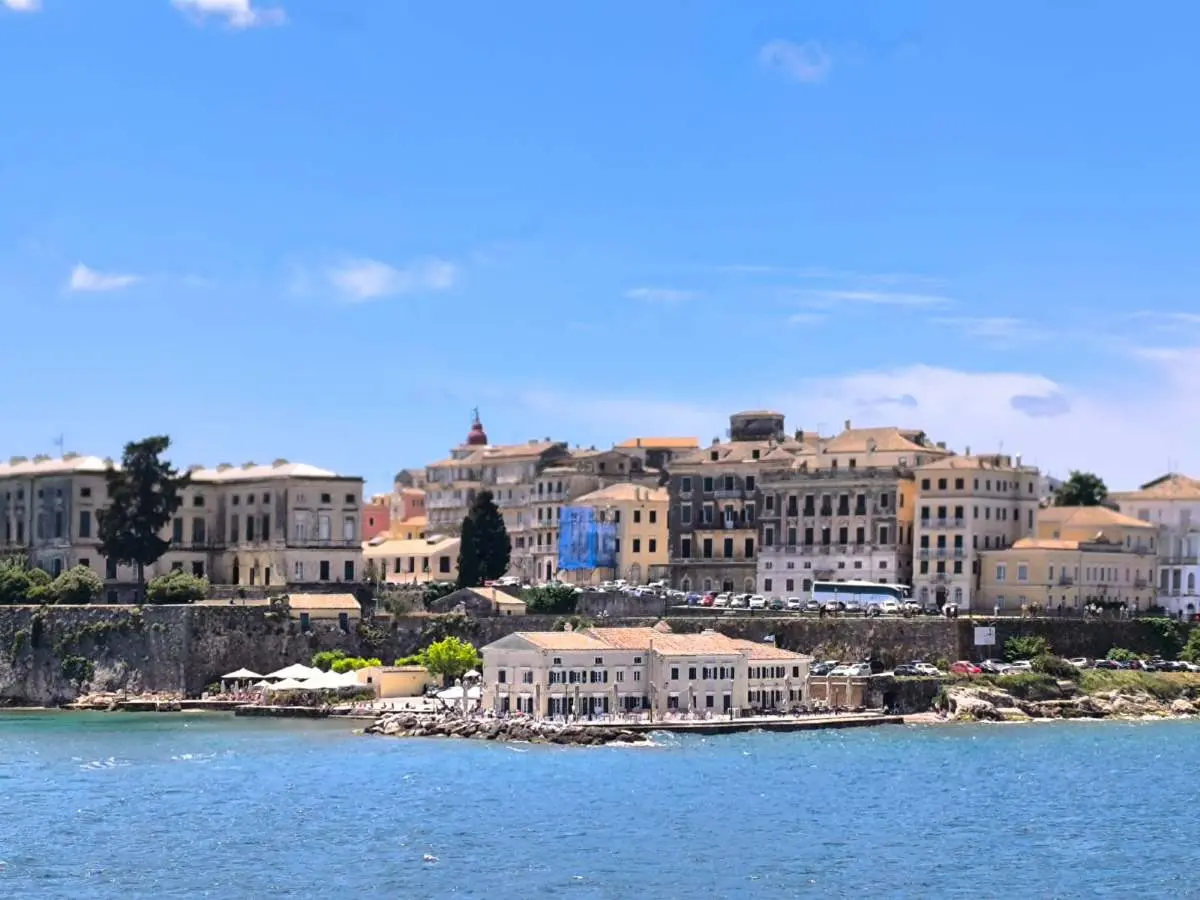
The northeast coast in particular is easier to appreciate by boat than by road, where cliffs and coves replace the wide sandy beaches of the west side. Our private cruise to Corfu's northeast beaches reaches stretches of coastline that no road actually touches.
How to See Corfu Without Losing a Day to Logistics
Corfu's main sights are spread across the island rather than clustered in one town, and public buses do not reach Paleokastritsa or Danilia on any practical schedule. A private driver solves this cleanly - Achilleion in the morning, Paleokastritsa by midday, back in Corfu Town for dinner, all without anyone in the group navigating mountain roads.
Arriving by cruise ship? Our private Corfu shore excursions are timed around your ship's schedule, with pickup directly from the port.
Frequently Asked Questions - Things to Do in Corfu
How many days do you need in Corfu?
Three days covers Corfu Town, Achilleion Palace, and one beach day. A week lets you add Paleokastritsa, Lakones, and the northern beaches around Sidari without rushing between them.
Is Corfu worth visiting beyond the beaches?
Yes - Achilleion Palace alone draws history lovers, the old town's Venetian architecture rewards a slow walk, and the food culture, shaped by both Venetian and British rule, is unlike anywhere else in Greece. The beaches are a bonus, not the only reason to come.
What is the best time to visit Corfu?
May, June, and September. Warm enough for the beaches at Glyfada and Agios Gordios, and noticeably greener and cooler than the Cyclades thanks to Corfu's Ionian climate, even in peak summer.
Can you visit Achilleion Palace and Paleokastritsa on the same day?
Yes - they sit on opposite sides of the island but a private driver can comfortably link both in a single day, typically Achilleion and Kanoni in the morning, Paleokastritsa and Lakones in the afternoon.
Is Corfu good for families?
Very. The Achilles statue and the Mouse Island legend both engage kids, Danilia Village feels like a film set they can walk through, and Glyfada's organized beach setup makes a full day with children far easier than Corfu's quieter coves.
This guide is for you if:
- You want more out of Corfu than a beach towel and a sunset photo
- You are curious about Achilleion Palace but want the actual story behind it
- You would rather eat where the kantounia alleys lead than where the harbor view is
- You arrived by cruise ship and have one day to make it count
- You want to see Paleokastritsa from a viewpoint, not just the beach
- You prefer villages with real history over staged photo stops
If any of these sound familiar, you are in the right place.
Ready to See the Real Corfu?
Tell us your dates and we will put together a private itinerary around what you actually want to do - not what every cruise excursion does.
Book Now
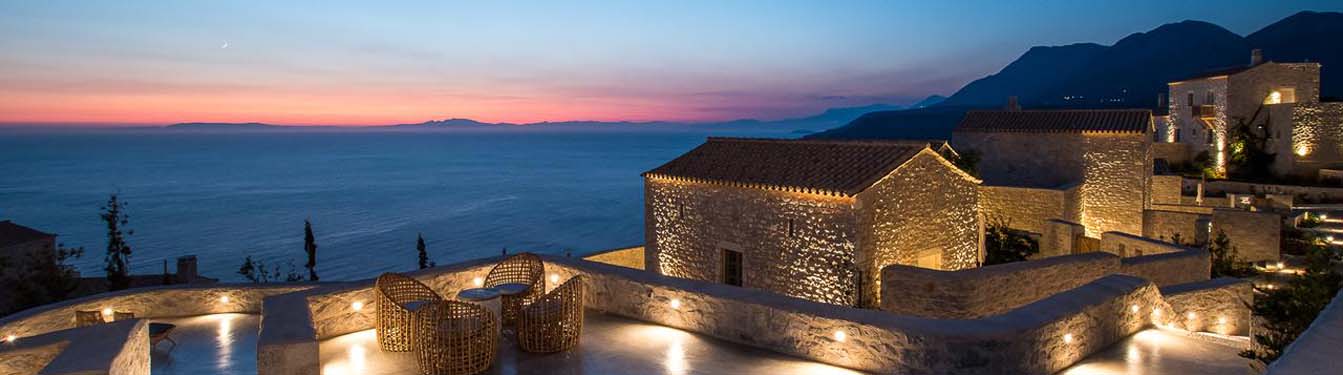

Corfu is one of the most distinctive islands in Greece, known for its elegant Old Town, green landscapes, beautiful beaches, and unique cultural character. For many travelers planning a trip to Greece, one common question comes up: is Corfu really worth visiting?
The short answer is yes. Corfu offers a different kind of island experience compared to many other Greek destinations. It combines history, architecture, nature, and local atmosphere in a way that feels both relaxing and rich in variety.
If you are looking for a destination that offers more than beaches alone, Corfu is often one of the best Greek islands to consider.

What Makes Corfu Different from Other Greek Islands
One of the main reasons Corfu stands out is its character. Unlike the whitewashed Cycladic islands, Corfu has a more cosmopolitan and aristocratic feel shaped by Venetian, French, and British influences.
This makes the island visually and culturally different from many other places in Greece. It feels greener, more architectural, and in many areas more layered in its identity.
Corfu Old Town Is Worth the Visit Alone
For many visitors, Corfu Old Town is one of the main reasons the island is worth visiting. Its narrow alleys, elegant squares, historic buildings, and lively atmosphere make it one of the most beautiful urban centers in the Greek islands.
Walking through the town feels different from a typical beach holiday. It adds culture, history, and a sense of place that gives more depth to the overall trip.
Beaches, Coastline and Natural Beauty
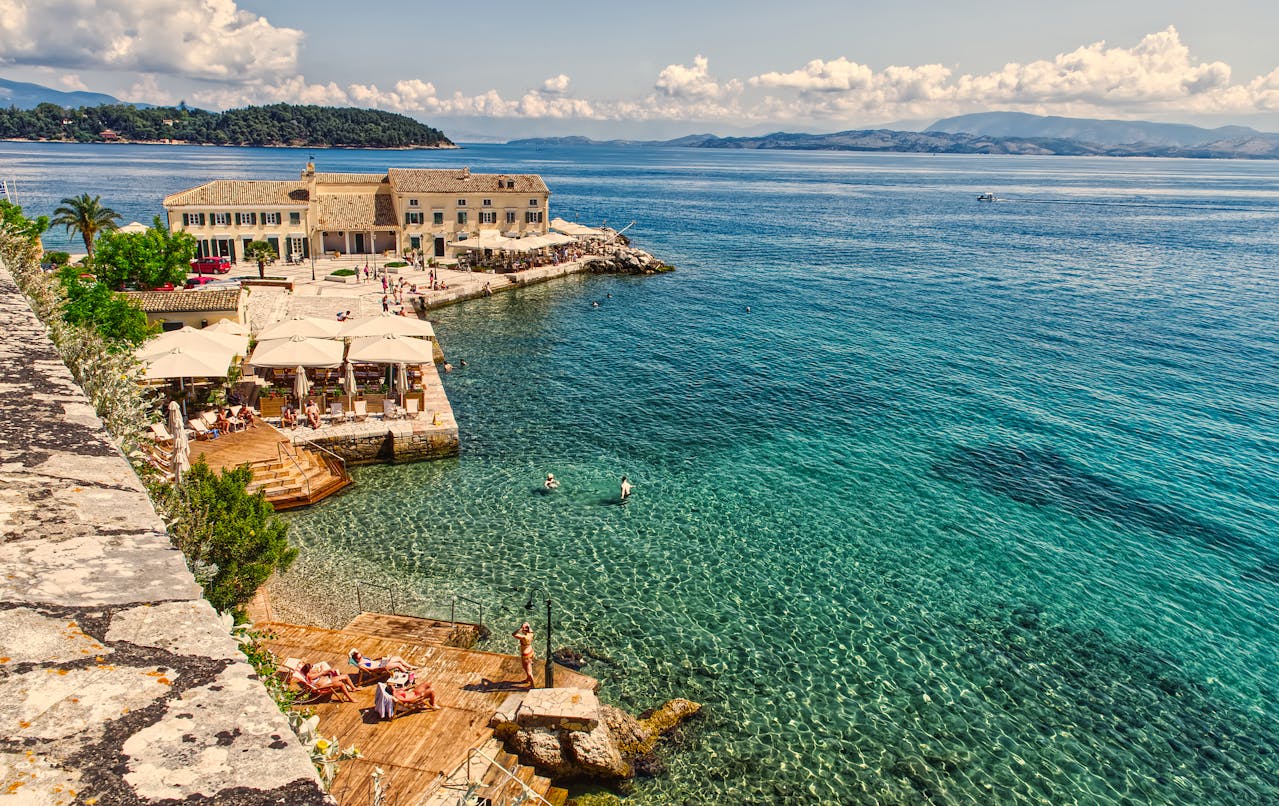
Corfu is also known for its varied coastline. The island offers everything from organized beaches and sandy bays to more scenic and secluded coastal areas.
- Paleokastritsa for dramatic scenery and crystal-clear waters
- Glyfada for a lively beach atmosphere
- Sidari for unusual coastal formations
- Agios Gordios for sunsets and relaxed surroundings
This combination of beaches and greenery gives Corfu a softer and more diverse natural landscape than many travelers expect.
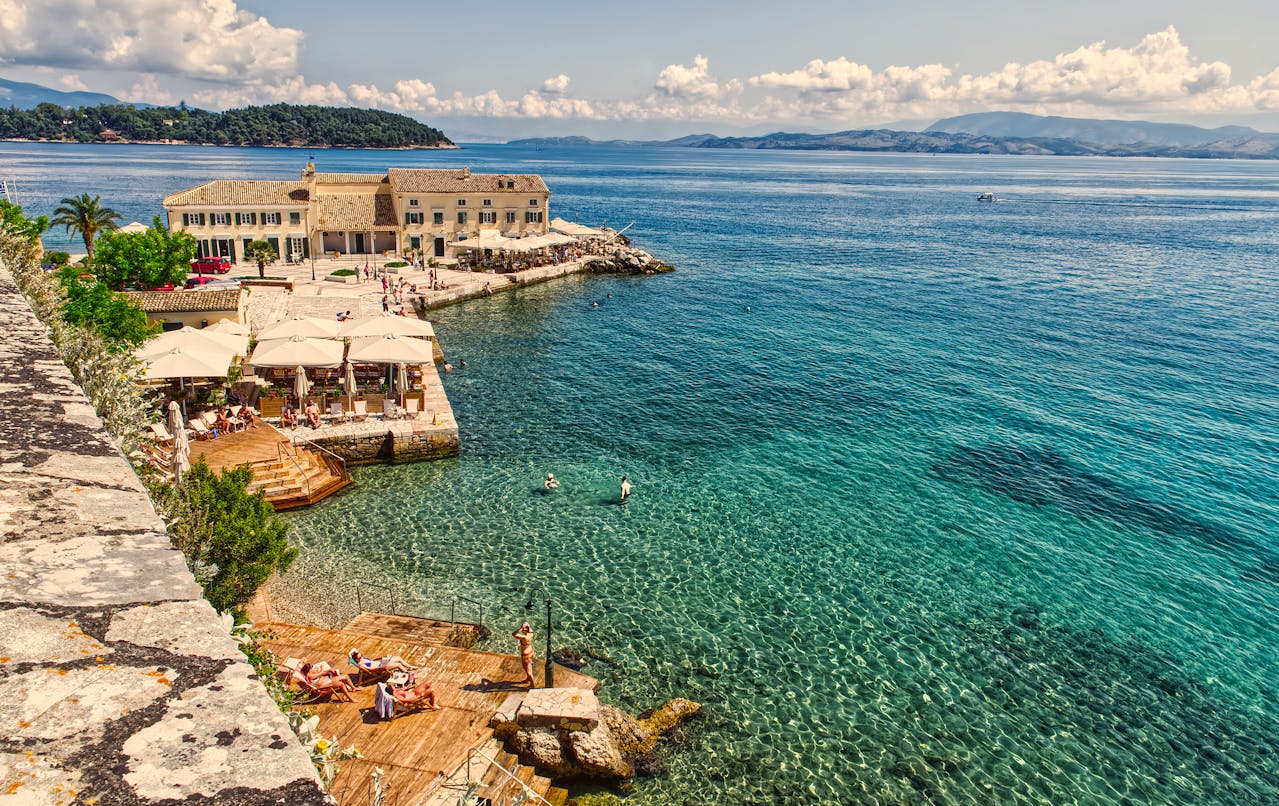
Culture, Food and Everyday Atmosphere
Another reason Corfu is worth visiting is the island’s local atmosphere. Its cuisine, village life, and city character create an experience that feels authentic without losing comfort.
Food plays an important role in the trip, with local dishes influenced by both Greek and Venetian traditions. For many visitors, dining in Corfu becomes one of the highlights of the journey.
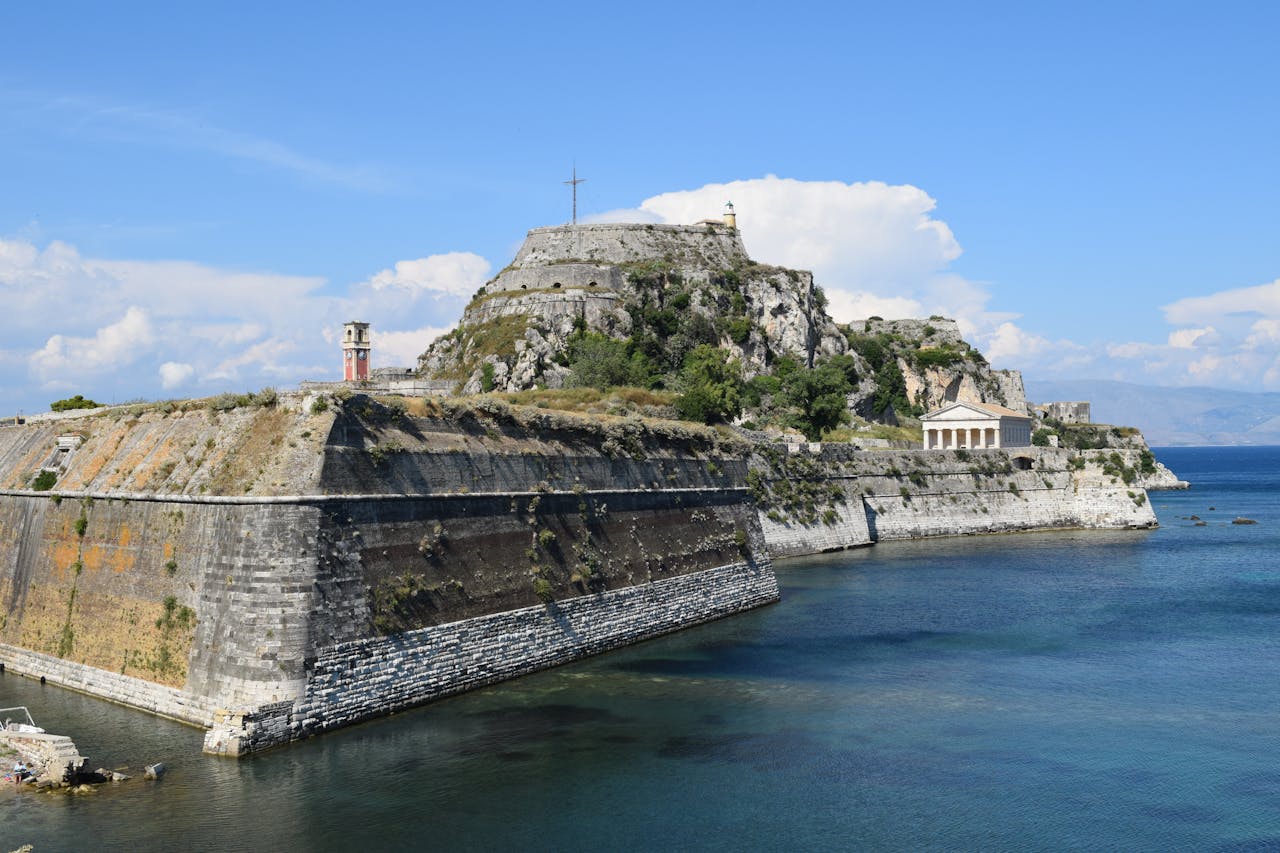
Is Corfu Good for First-Time Visitors to Greece?
Yes, Corfu can be an excellent choice for first-time visitors. It is accessible, easy to enjoy, and offers a balanced mix of beaches, culture, and sightseeing.
Travelers who want a destination that feels complete without being overwhelming often find Corfu a very comfortable and rewarding option.
How to Explore Corfu the Right Way
Because the island offers both town experiences and coastal exploration, planning how you move around makes a difference. Some visitors focus on the Old Town and nearby beaches, while others want to explore more remote areas of the island.
For travelers with limited time, organized shore excursions in Corfu can be an efficient way to see the highlights. Others include Corfu in wider Greek island tours or longer multi-day tours in Greece.
Who Corfu Is Best For
Corfu is ideal for couples, families, and travelers looking for a destination that combines elegance, relaxation, and variety. It is also a strong choice for visitors who want more than a simple beach holiday.
If you enjoy places with history, atmosphere, scenic drives, and cultural depth, Corfu is likely to be a very good match.
When Is the Best Time to Visit Corfu?
The best time to visit Corfu is between late spring and early autumn. Summer is ideal for beaches and boat trips, while May, June, and September often offer a more relaxed atmosphere with pleasant weather.
Spring is especially attractive because the island’s landscapes are at their greenest, which is one of the reasons Corfu feels so different from many other Greek islands.
So, Is Corfu Worth Visiting?
For most travelers, the answer is definitely yes. Corfu offers beauty, variety, history, and local character in a way that few islands combine so naturally.
It is a destination that works well for short trips, longer holidays, and even broader Greek itineraries. If you are looking for an island that feels elegant, scenic, and culturally rich, Corfu is absolutely worth visiting.

Tips for Private Tours in Athens: How to Plan a Better Experience
Written by the Private Tours Greece Team · 6 min read
Almost every traveler who books with us asks some version of the same three questions: how long should the tour be, do they really need a guide, and what is the best time to beat the crowds at the Acropolis. Having arranged private tours in Athens since 2010, here is what we have learned actually makes the difference between a rushed day and a memorable one. Small decisions, such as timing, duration, or whether to include a guide, matter more than most people expect, especially on a first visit.

Private Acropolis, Museum & Plaka Tour
Combine the Acropolis, the Acropolis Museum, and a walk through Plaka, with a licensed guide who knows how to bring the history to life away from the crowds.
Book NowChoose the Right Type of Private Tour
Not all half-day private tours in Athens are the same. Some focus mainly on the Acropolis and ancient landmarks, while others include neighborhoods, museums, or even local experiences.
If it is your first visit, starting with a tour that includes the Acropolis and the historic center is usually the best option. If you have already seen the main highlights, you may want something more focused on local areas or specific interests.
Half-Day Private Tours in Athens
A focused half-day introduction to Athens, ideal if you only have a morning or afternoon to spare.
Book NowConsider the Best Duration for Your Visit
Choosing the right duration is key. A shorter tour works well if you want to focus on one main area, while a longer experience allows you to explore more without feeling rushed.
A half-day tour, typically 4 to 5 hours, is ideal for covering the Acropolis and the historic center without spending the whole day on your feet. A full-day tour, around 8 hours, gives you time to add the Acropolis Museum, Plaka, and a stop at Cape Sounio or Lycabettus Hill for a slower, more complete day.
How Far in Advance Should You Book?
During peak season, from June to September, private guides and vehicles get booked up quickly, especially for morning slots right at opening time. Booking at least 2 to 3 days in advance gives you the best chance of getting the exact time you want, though many tours can still be arranged with as little as 24 hours notice outside of the busiest weeks.
If you are arriving on a cruise ship, it is worth booking your shore excursion before you even leave home, since the best private guides for popular ports like Piraeus are reserved well ahead of each cruise season.
Do You Need a Licensed Guide in Athens?
Athens is full of history, but much of it is not immediately obvious. Without context, it is easy to walk through important sites without fully understanding what you are seeing.
The right stories and historical context bring the ancient monuments to life. If you want to see how to fit an expert guide into a broader itinerary, take a look at our complete guide on the best things to do in Athens.
Transportation Options for Private Tours in Athens
Some private tours are walking experiences, while others include transportation. The best option depends on what you want to see and how much time you have.
If you plan to combine different areas of Athens or simply prefer a more relaxed experience, having a private driver can save time and make the day much smoother. For couples or solo travelers, a private sedan is usually enough. Families and small groups of up to 6 people are more comfortable in a Mercedes V-Class minivan, while larger groups of up to 14 passengers typically travel in a Mercedes Sprinter.
What to Wear and Bring on Your Tour
Comfortable, flat walking shoes make a real difference at the Acropolis, where the ancient stone surfaces are uneven and can be slippery, especially if they are worn smooth by millions of visitors. Light clothing and a hat are a good idea any time after May, and sunscreen is worth packing through October, when the midday sun in Athens is still strong.
Best Time to Visit the Acropolis and Avoid Crowds
The Acropolis is one of the most visited sites in Greece, and it can get very busy, especially during the summer months.
Starting early in the morning is one of the simplest ways to improve your experience. Not only will you avoid the largest crowds, but you will also enjoy cooler temperatures and a more comfortable visit. After 10:00 to 11:00 AM, the area tends to become significantly busier.

Acropolis Walking Tour with Skip-the-Line Access
Beat the crowds with an early guided walk through the Acropolis, including skip-the-line tickets.
Book NowCombine Landmarks with Local Neighborhoods
The best private tours in Athens are not limited to famous monuments. They also include the local side of the city.
Combining the Acropolis with areas like Plaka or Monastiraki gives you a more complete experience. You see both the historical landmarks and the everyday life of the city, which makes the visit feel more authentic.
Private Tours for Families with Kids
The Acropolis can be a lot for young children to take in on a standard tour built for adults. A guide who knows how to turn the Parthenon into a story about gods and heroes, rather than a lecture on architecture, makes the difference between a bored child and an engaged one.
Private Mythology Tour for Families & Kids
A 5-hour private tour that turns Athens into a mythology adventure, designed for children and the adults who love them.
Book NowShould You Visit the Acropolis Museum?
If you have the time, the Acropolis Museum is definitely worth including in your itinerary.
It helps you understand what you see at the archaeological site, as many of the original sculptures and findings are displayed there. For many travelers, this adds an extra layer of meaning to the entire experience.
A Better Way to Experience Athens
One of the main advantages of private tours is flexibility. You are not tied to a group schedule, and you can adjust the experience based on your interests and pace.
If you are looking for a more comfortable and personalized way to explore the city, you can discover our guided private Athens tours, or go straight to the private Acropolis, Museum & Plaka tour featured above.
Frequently Asked Questions About Private Tours in Athens
Are private tours in Athens worth it?
Yes, especially if you value flexibility, comfort, and a more personalized experience compared to group tours.
Should I book a guide for the Acropolis?
A guide is highly recommended, as it helps you understand the historical and cultural significance of the site.
How long should a private tour in Athens be?
A half-day tour is enough for the main highlights, while a full-day option allows for a more complete and relaxed experience.
Do private tours include transportation?
Some include transportation with a driver, while others are walking tours. It depends on the type of experience you choose.
How far in advance should I book a private tour in Athens?
Booking 2 to 3 days ahead is usually enough, though during peak season (June to September) earlier is better, especially for morning slots.
What should I wear for an Acropolis tour?
Comfortable, flat walking shoes, light clothing, a hat, and sunscreen from May to October.
Ready to explore Athens your way?
Take a look at our private tours in Athens and enjoy a more flexible and meaningful experience.
Powered by  InternetMarketing.gr