Travel Blog Articles

Corfu - Discover the Most Beautiful Spots in the City of Corfu Walking through

Spianada, the largest square in the Balkans, is the centre of the city, adorned with 19th-century remarkable works of French architecture. Here you can watch cricket games, or attend in musical concerts organised throughout the year.
Liston, the city’s trademark, where the aristocrats used to enjoy their evening promenades. The characteristic arcades form the most romantic background setting for a welcome cup of coffee at one of the town’s cosy cafés.
• The smart suburbs: Mandouki, Garitsa and Sarokos.

The Most Important City’s Attractions Bear Eloquent Witness to its Rich History

• The impressive 15th century Old Fortress, as well as the New Fortress.
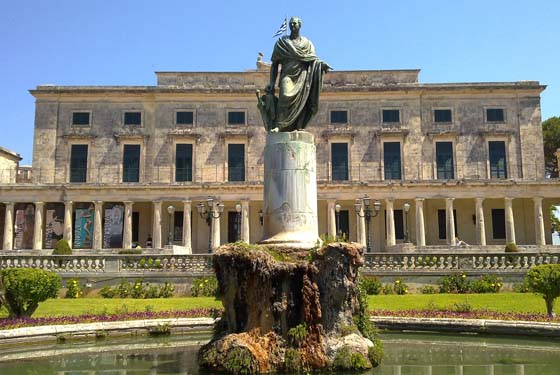
• The Saint Michael and George Palace at the northern part of Spianada, built during the British occupation.
• A considerable number of churches. The most imposing one is the city’s Cathedral, the Church of St. Spyridon, the island’s patron Saint, whose relics are kept here. The church’s immensely tall bell tower certainly reminds us of that of San Giorgio dei Greci in Venice. Four processions are held every year during which the body of Saint Spyridon is carried around the streets of the city (on Palm and Easter Sunday, on April 11th and the first Sunday in November). All the philharmonic bands of the city accompany the processions creating a remarkable awe-inspiring spectacle.

Call in at the city’s fascinating museums

The Museum of Asian Art: Being the only one of its kind, it was founded in 1927 after the donation of 10.500 items by Gregorios Manos. Until 1974 it was a Chinese and Japanese Art museum, but it was then enriched with other private collections.It is housed in Saint Michael and George Palace.
Archaeological Museum: Here you can admire important finds from the temple of Artemis and excavation finds from the ancient city of Corfu.
Byzantine Museum: It is housed in the Church of the Virgin Mary Antivouniotissa and houses an interesting collection of icons and ecclesiastic items from the 15th to the 19th century.
The Banknote Museum showcases a collection of Greek coinage from 1822 to the present day.
Dionysios Solomos Museum: The national Poet of Greece left Zakynthos and moved to Corfu, important intellectual centre of the Ionian islands in those years. Solomos lived in a state of self-imposed isolation, and Corfu offered him the ideal environment to work on his studies in poetry. Today his house hosts a museum dedicated to his honour.


Text & images copyright "Visit Greece".

Classical Tours Peloponnese

See belwo the msot popular Peloponnesian Monuments 

Monuments from every period of the eventful Peloponnesian history, great archeological sites such as ancient Olympia, Epidaurus, Mycenae and Tirynth, Byzantine churches, unique settlements and amazing castles, natural beauties such as mountains, forests, rivers and caves surrounded by the sea, beautiful beaches, sandy and smooth coasts on the west – rocky and dentelated on the east, make this part of Greek land ideal for holidays, touring, sports and connecting to the history and culture. It is not accidental that especially during the summer season many tourists arrive in Peloponnese from all over the world to travel around it. Such trip is very popular and well known.

Mycenae and Tiryns: The Peloponnese is the homeland of one of the most important civilisations known in the ancient Hellenic world: the Mycenaean civilisation.

 Epidaurus – a Journey in the Land of Asklepieion: Epidaurus is one of the most important archaeological findings reflecting the splendour of Greek culture through its imposing beauty. Its ancient town stands on Argolian land, overlooking the Saronic Gulf. The Asklepieion at Epidaurus gained fame throughout the world for its unique healing practices as it was undoubtedly the greatest of the theurgical sites in antiquity.

 Mani - Peloponnese: Welcome to Peloponnese and Lakoniki Mani where you can see and enjoy stone built houses and impressive towers next to prickly pear cacti, dashing old tower villages, impressive caves, byzantine churches, beautiful beaches and unique local gastronomy. Let yourself be taken by the wild beauty of the rocks next to the sea. Discover Lakoniki Mani and its most revealing spots with our special tour packages that cover the hidden beauty of Peloponnese.We specialize in Peloponnese Tours in many categories with flexible itineraries. Book your classical tours Pelopoonnese, ideal for honeymooners, couple, friends to visit Sparta, Mystras, Monemvasia & much more.

 Messene - On your way to Kalamata, The revival of the Ancient Theatre & Pylos’ Castles: Messinia will take your breath away. This land filled with contrasts and welcoming inhabitants is only two hours drive away from Athens. See its vast olive groves, green valleys, mountains, gorges and coves. Numerous small or long sandy beaches, with calm waters or huge waves that will satisfy families or aspiring surfers. Small mountainous cliff-hanging villages with breathtaking views will blow your mind away

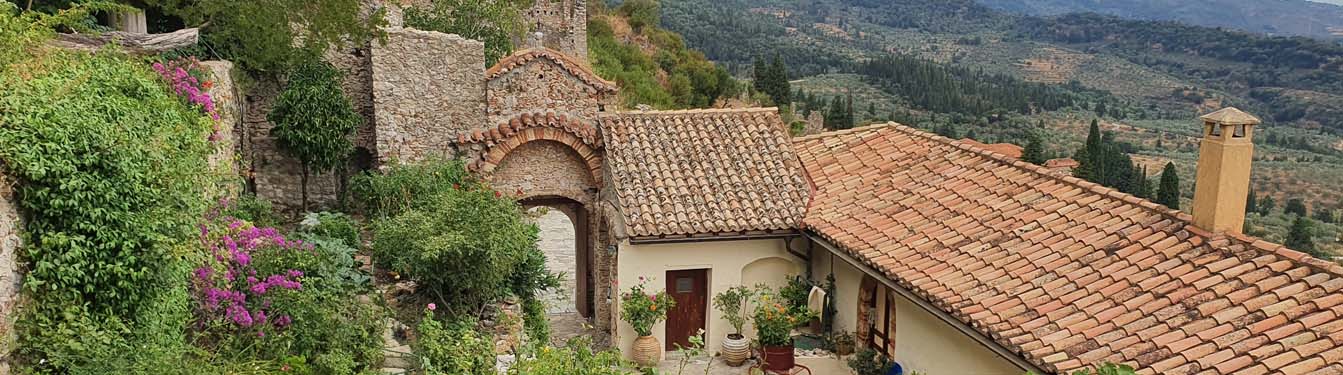
 Monemvasia: Unveil a medieval mystery! Monemvasiá, founded by the Byzantines in the sixth century, is a breathtaking medieval tower town located on the south-eastern coast of the Peloponnese. Take the opportunity to explore this mystical stone-built settlement, nestled at the edge of a big rock by the sea, and immerse yourself in a unique medieval atmosphere!


Please take a look at some of our best of tours in Peloponnese that we offer you and are the best-seller of our Cultural & Heritage Tours in Peloponnese:We provide to our guests from all over the world organized tours not only in Peloponnese, but in many other places with special interest in Greece, in order to offer a great view and accurate information and photos for all excursions that we recommend on our site...


Luxury Tours Peloponnese withPremium Hotels

Luxury Hotels in the Peloponnese

The Peloponnese offers a different side of Greece, one that combines natural landscapes, history, and a quieter atmosphere compared to the islands.

For travelers looking for high-end accommodation, the region has a selection of luxury hotels that focus on privacy, design, and space.

Why Choose the Peloponnese for a Luxury Stay

Unlike more crowded destinations, the Peloponnese allows for a more relaxed and private experience.

You can combine coastal views, cultural sites, and open landscapes, all within relatively short distances.

Types of Luxury Accommodation

The region offers a variety of high-end options, from boutique hotels to large private villas and exclusive resorts.

Some properties focus on minimalist design and privacy, while others offer full-service resort experiences.

Amanzoe and High-End Resorts

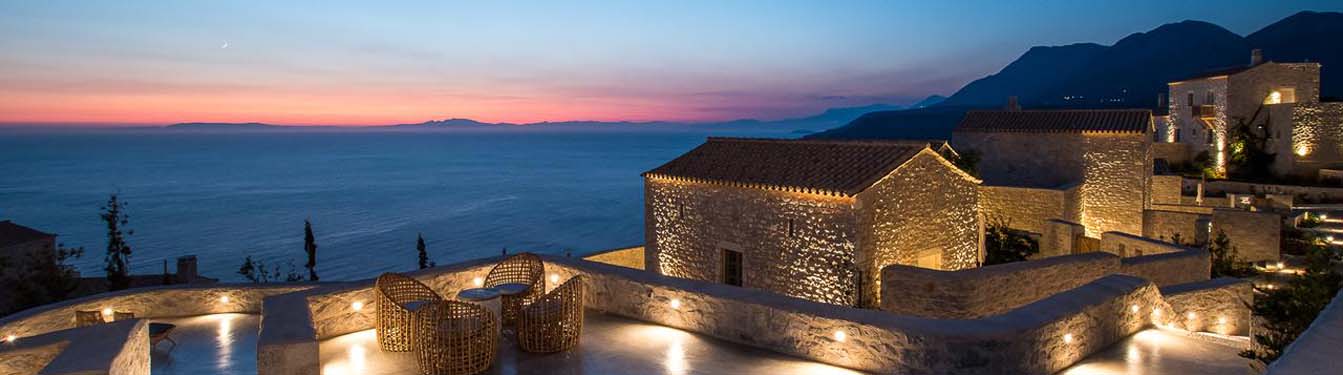
Amanzoe is one of the most well-known luxury resorts in the Peloponnese, offering private pavilions and panoramic views.

It represents the top tier of luxury in the area, focusing on space, architecture, and personalized service.

Boutique Hotels and Private Villas

In addition to large resorts, there are smaller boutique properties that offer a more intimate experience.

Private villas are also a popular option for travelers who want complete independence and flexibility.

Experiences Beyond the Hotel

Staying in the Peloponnese is not just about the accommodation. The region offers a mix of experiences, including beaches, historical sites, and local food.

It is possible to combine relaxation with exploration without long travel times.

Who This Destination Is Best For

The Peloponnese is ideal for travelers who prefer a quieter and more spacious environment.

It suits couples, families, and anyone looking for a luxury experience without the intensity of more crowded destinations.

Planning a Luxury Stay in the Peloponnese

Luxury hotels in the region can have limited availability during peak season, so planning ahead is recommended.

Many travelers combine the Peloponnese with a stay in Athens or nearby islands for a more complete itinerary.

If you are considering a luxury holiday in Greece, the Peloponnese is one of the most balanced and versatile options.

Corfu - Five Sites Located Around the City of Corfu Used to be the Aristocracy’s Favourites

Mon Repos Palace was built by the British Commissioner Adams as a gift to his Corfiot wife. It is a small but beautiful palace with colonial elements, which today operates as a museum. In this luxurious dwelling, Prince Philip, the Duke of Edinburgh and husband of Elisabeth the Second, was born in 1921. The park around the palace is ideal for long romantic walks.

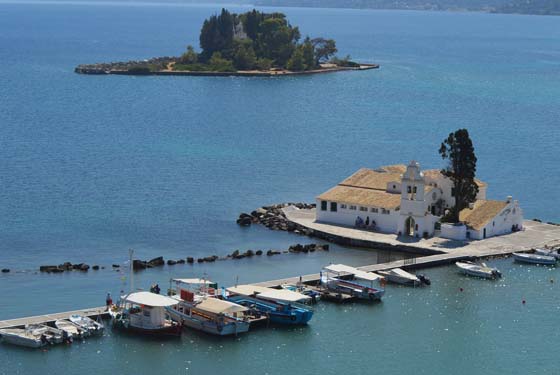
Kanoni (meaning canon) offers from its circular terrace an amazing view across the island of Pontikonissi (meaning Mouse Island), one of the most photographed spots of Corfu! According to the legend, this rocky islet was a Phaeacian ship that was turned into stone.

Paleopolis (at Mono Repos estate) stands where the Agora of the ancient city of Corfu was located. Admire the remains of several public buildings erected there along with sanctuaries, workshops and residencies.

Achilleion is a fairy palace built among cypresses and myrtles by the Empress Elisabeth of Austria, who wished to escape from the Austrian court. Elisabeth truly fell in love with the island, and she dedicated this palace to Achilles as she cherished the belief that he represented the very soul and fairness of Greece.

The island where Ulysses met Princess Nausicaa in one of Homer’s Odyssey most celebrated scenes is a magical destination all year long: colourful music events, culinary feasts, religious festivals, carnival celebrations –known for their deep Venetian influences–, and the most joyful Easter in Greece form an exquisite mosaic of experiences.

Edward Lear vividly describes the magic of Corfu: “Anything like the splendour of olive-groves and orange-gardens, the blue of the sky, the violet of the mountain, rising from peacock-wing-hued sea and tipped with lines of silver snow, can hardly be imagined […]”.


Text & images copyright "Visit Greece".

How to Visit Delphi from Athens: Tour vs Car vs Bus

Best Ways to Visit Delphi from Athens: Tour, Car or Bus?

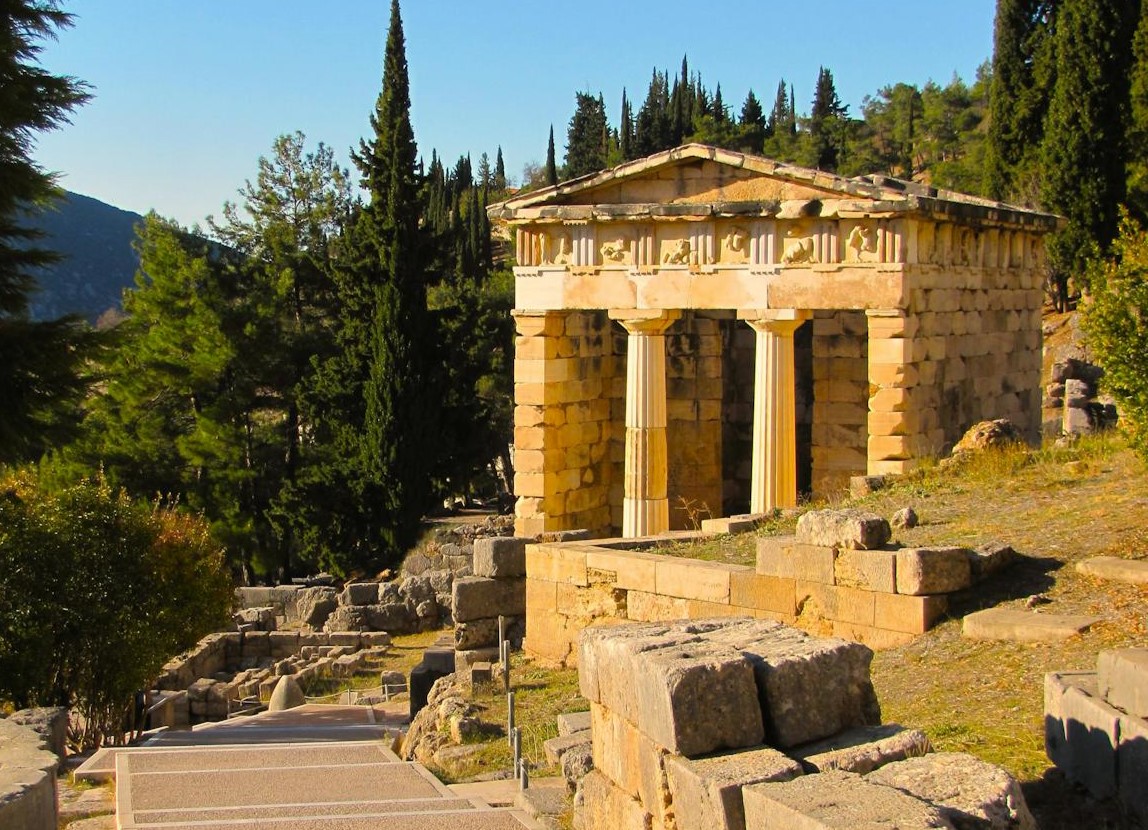
Delphi is one of the most popular day trips from Athens, offering a unique combination of ancient history, mountain scenery, and cultural significance. Once considered the center of the ancient world, it remains one of the most important archaeological sites in Greece.

If you are planning to visit Delphi, one of the first questions you will face is how to get there. There are three main options: an organized tour, driving yourself, or taking a bus. Each option offers a different experience, and choosing the right one can make a big difference in your day.

This guide will help you compare the options and decide which one suits your travel style best.

How Far Is Delphi from Athens?

Delphi is located in central Greece, a few hours from Athens. While the distance is manageable for a day trip, it still requires planning, as the journey takes time and involves mountain roads.

For most travelers, visiting Delphi means dedicating a full day to the experience, including travel, site exploration, and optional stops along the way.

Visiting Delphi by Organized Tour

Organized tours are one of the most popular ways to visit Delphi from Athens. They usually include transportation, a structured itinerary, and sometimes a guide.

This option is convenient because everything is arranged for you. However, group tours often follow fixed schedules, which means limited flexibility and less time to explore at your own pace.

For travelers who want more comfort and flexibility, a private Delphi tour from Athens offers a better experience, allowing you to travel with a private driver, adjust your schedule, and include stops such as Arachova.

Visiting Delphi by Car

Driving to Delphi gives you full control over your schedule and the freedom to explore independently. It can be a good option if you are comfortable driving in a foreign country and enjoy road trips.

However, the route includes mountain roads and requires attention, especially if you are not familiar with the area. Parking, navigation, and timing can also add extra stress to the day.

While driving offers independence, it also means you are responsible for the entire experience, from planning the route to managing your time at the site.

Visiting Delphi by Bus

Traveling to Delphi by bus is the most budget-friendly option. Buses run from Athens and can take you directly to the destination.

However, this option requires more planning and is less flexible. You need to adjust your schedule to the bus timetable, and once you arrive, you will explore on your own without guidance or structure.

For travelers who prefer simplicity and comfort, this option may feel limiting compared to other alternatives.

Pros and Cons of Each Option

Organized Tour
Convenient and structured, but less flexible and often more rushed.

Private Tour
Comfortable, flexible, and personalized, offering a more complete and relaxed experience.

Car
Flexible and independent, but requires planning, navigation, and driving effort.

Bus
Affordable, but less convenient and limited in flexibility.

Which Option Is Best for You?

The best option depends on your travel style and priorities. If you want a simple and low-cost solution, the bus can work. If you enjoy independence and driving, renting a car may suit you.

However, if you are looking for comfort, flexibility, and a more enjoyable overall experience, a private tour is often the best choice. It allows you to focus on the destination while everything else is handled for you.

A Better Way to Experience Delphi

For many travelers, the journey to Delphi is just as important as the destination itself. Scenic routes, local stops, and a relaxed pace can turn a simple visit into a much more memorable experience.

If you want to explore Delphi without the stress of planning and driving, you can discover our private tours from Athens to Delphi, designed to offer comfort, flexibility, and a more personalized way to experience the region.

Final Thoughts: How Should You Visit Delphi from Athens?

There is no single correct way to visit Delphi, but the right choice depends on what you value most during your trip.

If you prefer convenience and independence, a car or bus may work. If you want a more complete and relaxed experience with added comfort and local insight, a private tour is often the most rewarding option.

Planning your Delphi day trip?
Explore our private Delphi tours and enjoy a more comfortable and flexible way to visit one of Greece’s most important destinations.

Frequently Asked Questions About Visiting Delphi from Athens

What is the best way to visit Delphi from Athens?

For most travelers, a private tour offers the best balance of comfort, flexibility, and overall experience.

Can you visit Delphi without a tour?

Yes, you can visit Delphi by car or bus, but it requires more planning and less flexibility compared to guided options.

Is driving to Delphi difficult?

The route includes mountain roads, which can be challenging for some drivers, especially if you are not familiar with the area.

How long does a Delphi day trip take?

Most visits take a full day, including travel time, site exploration, and optional stops.

Looking for the easiest way to visit Delphi?
Discover our private tours to Delphi from Athens and enjoy a stress-free experience.

Epidaurus – a Journey in the Land of Asklepieion

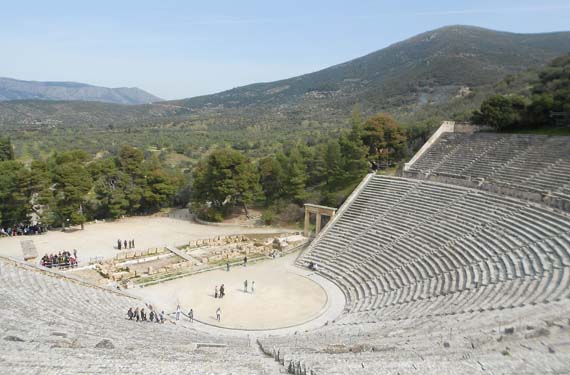
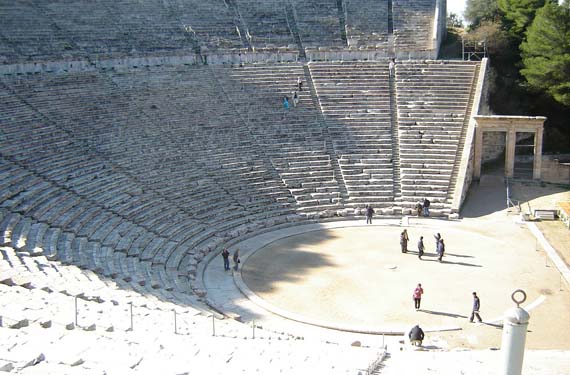
Epidaurus is one of the most important archaeological findings reflecting the splendour of Greek culture through its imposing beauty. Its ancient town stands on Argolian land, overlooking the Saronic Gulf. The mountain heights of Arachnaio, Koryfaio and Tithio form a natural perimeter which embraces the town, protecting from the winds and giving it an exceptionally mild climate. Clear running waters, beautiful natural landscapes and beneficial climatic conditions served to create the ideal place for healing of man with the power of the gods. The Asklepieion at Epidaurus gained fame throughout the world for its unique healing practices as it was undoubtedly the greatest of the theurgical sites in antiquity.

It is said that more than 200 healing centres worked under Asklepieion’s authorization throughout the Eastern Mediterranean area. Today its monuments apart from being recognised as masterpieces of ancient Greek art they are also standing proof of the practice of medicine in antiquity. They illustrate the medical evolution from the time where it was believed that healing depended on God to the time where it developed into science based on a systematic knowledge through accumulative experience.

Change Through the Course of Time

Asklepios’ worshiping, son of Apollo and Koronis, granddaughter of King Malos of Epidaurus, was established in the sixth century BC. Asklepios, protector of human health and personal happiness, was a very popular deity with an ever-increasing number of worshippers. The Sanctuary at Kynortion was quickly overwhelmed by a great number of visitors, so a new sanctuary was founded in the plain, approximately 1 km northwest of Kynortion Hill, on the site where, according to the myth, Asklepios was born. The two sanctuaries, one dedicated to Apollo Maleatas and the other to Asklepios, were subsequently known under the common name of Sanctuary of Apollo Maleatas and Asklepios.

During the fourth and third centuries BC buildings were erected in both the mountain and plain sanctuaries; the Classical temple, the altar of Apollo, the Great Stoa, the priests' residence and the Temenos of the Muses in the former; the Temple of Asklepios, the Abaton, the Tholos, the Theatre, the Stadium, the Banqueting Hall and the hostel in the latter.

The Asklepion flourished again in Imperial times and particularly in the second half of the second century AD, when the Roman consul Antonine financed the refurbishment of old buildings and the construction of new ones. During this period, Pausanias visited, admired and described in detail the sanctuary and its monuments.

Excavations began in 1881 under the guidance of Panagiotis Kavvadias, who devoted his entire life to his beloved Epidaurus. The Sanctuary of Asklepios at Epidaurus was added to the UNESCO List of World Heritage Sites in 1988.


Text & images copyright "Visit Greece".

Tips for Private Tours in Athens: How to Plan a Better Experience

Tips for Private Tours in Athens: How to Plan a Better Experience

Private tours in Athens are one of the best ways to explore the city in a more flexible and comfortable way. Instead of following a fixed group schedule, you can focus on what interests you most and experience Athens at your own pace.

That said, the overall experience depends a lot on how you plan your tour. Small decisions — such as timing, duration, or whether to include a guide — can make a noticeable difference, especially if it’s your first time in Athens.

Here are some practical tips to help you get the most out of your private tour.

Choose the Right Type of Private Tour

Not all private tours in Athens are the same. Some focus mainly on the Acropolis and ancient landmarks, while others include neighborhoods, museums, or even local experiences.

If it’s your first visit, starting with a tour that includes the Acropolis and the historic center is usually the best option. If you have already seen the main highlights, you may want something more focused on local areas or specific interests.

Consider the Best Duration for Your Visit

Choosing the right duration is key. A shorter tour works well if you want to focus on one main area, while a longer experience allows you to explore more without feeling rushed.

Many travelers find that a half-day tour is ideal for covering the main highlights, while a full-day experience offers a more relaxed pace and a deeper understanding of the city.

Do You Need a Licensed Guide in Athens?

Athens is full of history, but much of it is not immediately obvious. Without context, it’s easy to walk through important sites without fully understanding what you are seeing.

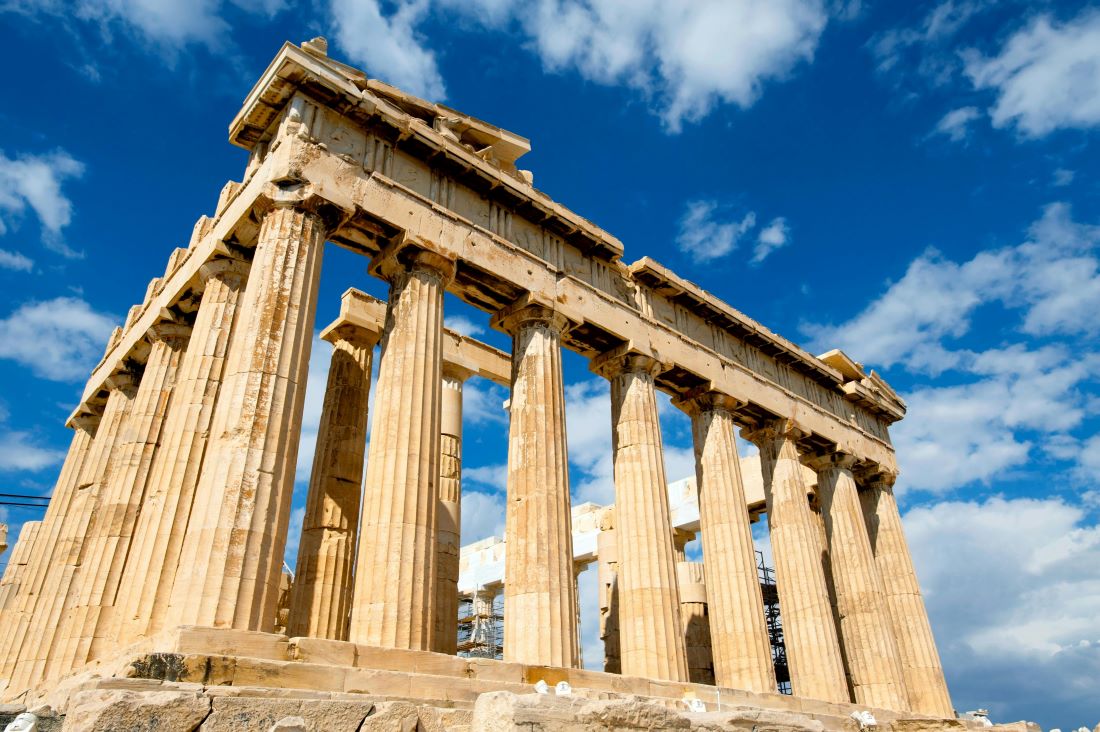
A licensed guide can make a big difference, especially at places like the Acropolis. The stories, symbolism, and historical details bring the monuments to life and make the visit far more engaging.

Transportation Options for Private Tours in Athens

Some private tours are walking experiences, while others include transportation. The best option depends on what you want to see and how much time you have.

If you plan to combine different areas of Athens or simply prefer a more relaxed experience, having a private driver can save time and make the day much smoother.

Best Time to Visit the Acropolis and Avoid Crowds

The Acropolis is one of the most visited sites in Greece, and it can get very busy, especially during the summer months.

Starting early in the morning is one of the simplest ways to improve your experience. Not only will you avoid the largest crowds, but you will also enjoy cooler temperatures and a more comfortable visit. After 10:00–11:00 AM, the area tends to become significantly busier.

Combine Landmarks with Local Neighborhoods

The best private tours in Athens are not limited to famous monuments. They also include the local side of the city.

Combining the Acropolis with areas like Plaka or Monastiraki gives you a more complete experience. You see both the historical landmarks and the everyday life of the city, which makes the visit feel more authentic.

Should You Visit the Acropolis Museum?

If you have the time, the Acropolis Museum is definitely worth including in your itinerary.

It helps you understand what you see at the archaeological site, as many of the original sculptures and findings are displayed there. For many travelers, this adds an extra layer of meaning to the entire experience.

A Better Way to Experience Athens

One of the main advantages of private tours is flexibility. You are not tied to a group schedule, and you can adjust the experience based on your interests and pace.

If you are looking for a more comfortable and personalized way to explore the city, you can discover our guided private Athens tours or explore a focused private Acropolis tour designed to help you make the most of your visit.

Frequently Asked Questions About Private Tours in Athens

Are private tours in Athens worth it?

Yes, especially if you value flexibility, comfort, and a more personalized experience compared to group tours.

Should I book a guide for the Acropolis?

A guide is highly recommended, as it helps you understand the historical and cultural significance of the site.

How long should a private tour in Athens be?

A half-day tour is enough for the main highlights, while a full-day option allows for a more complete and relaxed experience.

Do private tours include transportation?

Some include transportation with a driver, while others are walking tours. It depends on the type of experience you choose.

Ready to explore Athens your way?
Take a look at our private tours in Athens and enjoy a more flexible and meaningful experience.

Epidaurus Asklepion - Holistic Health Care

Archaeological evidence give us proof that Asklepieia offered in antiquity what we nowadays call holistic health care. The therapies and treatments practiced by the mystic-physicians were extremely sophisticated. Centuries of observation of nature, the human body and the interdependence of mental harmony and physical health created a complex medical context for healing, which proved extremely effective.

On the site of ​​the imposing Asklepieion the existence of an even older sanctuary and healing centre has been confirmed, which was dedicated to a female fertility goddess. Later Apollo was worshipped on the same site, also as a god of healing, until Asklepios, who was thought to have been born in Epidaurus, took over divine responsibility for medical care. Over the years the accumulated experience of the priests, together with the effective synergy of the incomparable climate and natural surroundings of the land of Argolis, led to highly successful medical treatments. This resulted in a veritable swarm of visitors seeking treatment, not only from within Greece, but also from countries far away.

Therapeutic Treatment of the Spirit, Body and Soul

Each activity which took place at Epidaurus was designed to harmonize the mind, body and soul. The theatre of Epidaurus, this miraculous shell-like structure with its amazing acoustics and harmonious architecture, was a place where visitors could attend performances and "escape" from their small, debilitating everyday problems. Music, theatre, and the reading of philosophical texts prepared the soul to achieve the ultimate healing of the body.

The patient, after the necessary cleansings and having reached a calm and mentally relaxed state, was led to the main therapeutic area, the Abaton. This was a mysterious dome shaped structure, with mystagogical corridors and complex circular mazes. The architecture of Asklepieion is still remarkable today. The building was circular, referencing the safety and security of the maternal embrace. The layout of the sanctuary served to focus the concentration of the patient and draw strength from his inner world.

This preparatory stage was followed by the main healing phase, known as enkoimesis a gentle non-invasive method, which nevertheless proved very effective. During sleep, the person allowed himself to dream of the god, who would visit him in the inner sanctuary, offering the healing treatment that was needed. The mystic followers of Asklepios guided the dream experience with appropriate interventions in order to create the best outcome for the patient. In 1883, 70 inscriptions, providing epigraphic evidence, were found - the so-called iamata or remedies, which indicate many successful treatments for a wide range of ailments.

The Sanctuary of Asklepios at Epidaurus, its peaceful natural surroundings influenced by its primitive and mysterious place in history, invites us to explore the forces of nature and those within ourselves.


Text & images copyright "Visit Greece".

Are Your Looking for Rib Chartet with with Skipper in Athens?

Rib Charter in Athens with Skipper 


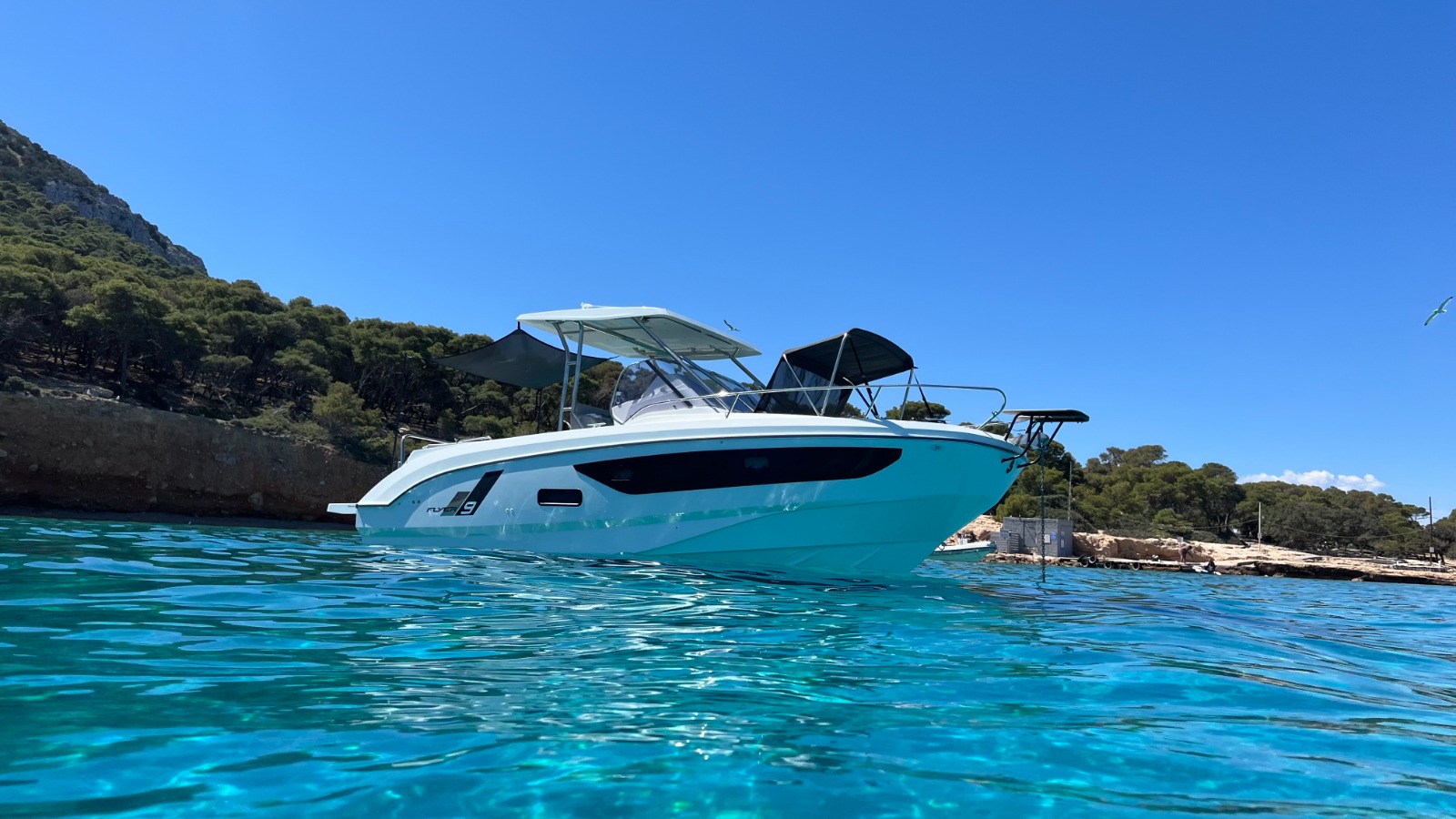
A rib (rigid inflatable boat) and a motorboat are both types of watercraft used for recreational activities such as cruising, fishing, and watersports. However, there are differences between them, especially in terms of design and function. Here's a breakdown of the differences between a rib and a motorboat charter with a skipper:

Design:

  • Rigid Inflatable Boat (RIB): RIBs are characterized by their inflatable tubes (sponsons) around the hull. These tubes provide buoyancy and stability, making RIBs very versatile and capable of handling rough waters. They typically have a V-shaped hull for better performance and handling.
  • Motorboat: Motorboats come in various designs, but they generally have a solid hull without inflatable tubes. They can range from small, open boats to larger vessels with cabins and multiple decks. Motorboats can be designed for specific activities such as fishing, cruising, or watersports.

Purpose:

  • RIB: RIBs are often favored for their agility, speed, and stability. They are commonly used for activities like coastal exploration, diving trips, rescue operations, and as tenders for larger vessels.
  • Motorboat: Motorboats are more versatile in terms of their uses. They can be used for leisurely cruising, fishing trips, watersports (such as wakeboarding or waterskiing), island hopping, or simply enjoying a day out on the water.

Skipper Charter:

  • RIB Charter with Skipper: When you charter a RIB with a skipper, you're typically hiring both the boat and a professional skipper who will navigate and operate the vessel for you. This option is popular for those who want to relax and enjoy the experience without worrying about driving the boat themselves.
  • Motorboat Charter with Skipper: Similar to a RIB charter, when you charter a motorboat with a skipper, you're renting both the boat and the services of an experienced skipper. The skipper will handle navigation, safety, and other aspects of operating the vessel, allowing you to focus on enjoying the journey.

Size and Capacity:

  • RIB: RIBs come in various sizes, but they are typically smaller compared to many motorboats. They can accommodate a smaller number of passengers, often ranging from a few individuals up to around 12 people depending on the size of the RIB.
  • Motorboat: Motorboats can vary significantly in size and capacity. They can range from small boats suitable for a few passengers to large yachts capable of accommodating dozens of people for extended trips.
  • In summary, while both RIBs and motorboats offer enjoyable experiences on the water, they have distinct differences in design, purpose, and handling characteristics. Choosing between a RIB and a motorboat charter with a skipper depends on factors such as personal preferences, the intended activities, and the number of people in your group.
Ionian Islands

Scattered off the western coastline of Central Greece and to the south of Peloponnese, the Ionian Islands are an island group comprising large and small islands.

Zakynthos, Ithaca, Corfu, Kefalonia, Lefkada, Paxi (or Paxos) and Kythira are the seven largest and most popular islands of the group, while Antikythira, Antipaxi, Ereikousa, Mathraki, Othonoi, Meganisi and Strofades are lesser-known smaller islands, which have a lot going for themselves.
They are destinations attracting many visitors every year for a variety of reasons:
Their temperate climate, lush vegetation, beautiful mountains and breathtaking beaches will provide the perfect surroundings for your next holidays.

Nature

Over the millennia, geological transformations have helped shape stretches of awe-inspiring steep coastline, beautiful sandy shores and high mountains. Tectonic changes also account for the great depth of the waters in the region; the Calypso Deep reaches a staggering 5,267 m. depth, making it the deepest point in the Mediterranean Sea.
So, it’s no wonder that some of the wildest and most famous shores in Greece are located on this side of the country. Egremnoi and Porto Katsiki beaches on Lefkada Island, Navagio Beach on Zante Island and Myrtos Beach on Kefalonia Island are but a few of the award-winning must-visit destinations in a long list of spots with cool emerald waters.

Activities

Set sail to discover unexplored gems on the Ionian Islands; the sheltered coves and amazing sea caves, such as the Blue Caves on Zante Island and the Caves (called Grahves) on Paxi Island are impressive locations to add on your list of things to see.
If you’re lucky enough, you might spot two local protected species, the loggerhead sea turtle (Caretta Caretta) and the Monachus Monachus monk seal in Zante’s marine park area.
Try water sports such as scuba diving, windsurfing and kitesurfing οn Vasiliki and Agios Giannis, Lefkada Island, hike οn Ithaca's green hinterland, visit the amazing Melissani and Drogarati Caves οn Kefalonia Island, and see the Neraida (Fairy) waterfalls on Kythira Island.


Text & images copyright "Visit Greece".

1 2 3 4 5 6 7 8 9

© Copyright Tours-Greece Travel Services